
Key Takeaways
- Nine judges; three must come from Quebec.
- Most cases need the Court's permission.
- Its decisions are final.
Nine judges, one final word
Nine judges. One final answer.
Imagine losing a court case and wanting to challenge the decision one last time. In Canada, there's only one place left to go: the Supreme Court.
The Supreme Court of Canada has nine judges, including the Chief Justice. It is Canada's final court of appeal — its decisions are final, with no appeal beyond it.
But here's something many Canadians don't realize: the Court doesn't hold trials. Instead, it hears appeals, examines written and oral arguments, and sometimes allows interveners to add their voices.
Three of the nine judges must come from Quebec, ensuring the Court understands the province's civil-law tradition. By tradition, the remaining seats are divided among Ontario (three), the West and Northern Canada (two), and Atlantic Canada (one).
The Court operates in both official languages and works with both legal traditions. Its final jurisdiction covers criminal, civil and constitutional matters.
Who picks them
The appointment process isn't simply a matter of picking someone's name.
Judges are appointed by the Governor in Council. Candidates must already be superior-court judges or lawyers with at least 10 years' standing.
Since 2016, an independent, non-partisan Advisory Board has assessed candidates and provided the Prime Minister with a merit-based shortlist. The PM then recommends an appointment on the advice of the Minister of Justice.
How a case gets in
Having a legal dispute doesn't automatically get you into Canada's highest court. There are three ways a case can arrive, and the most common one requires permission.
- Leave to appeal — most cases need the Court's permission to proceed. The case must raise issues of public importance. The Court gives no reasons when granting or refusing leave. In 2025, it received 517 leave applications in a single year.
- Appeals as of right — some cases bypass the permission stage. One example is certain criminal cases where a court-of-appeal judge has dissented on a point of law.
- References — the federal government can send a legal question directly to the Court for an advisory opinion. This is the route behind many of Canada's biggest constitutional answers.
The Twikup Take
The Supreme Court doesn't just decide legal disputes. It decides which disputes deserve the country's final legal attention.
Out of hundreds of applications, it selects a few dozen cases each year. And here's the fascinating part: when it rejects an application for leave, it doesn't explain why.
Sometimes, the biggest power in Canada's highest court is deciding which questions never get answered.
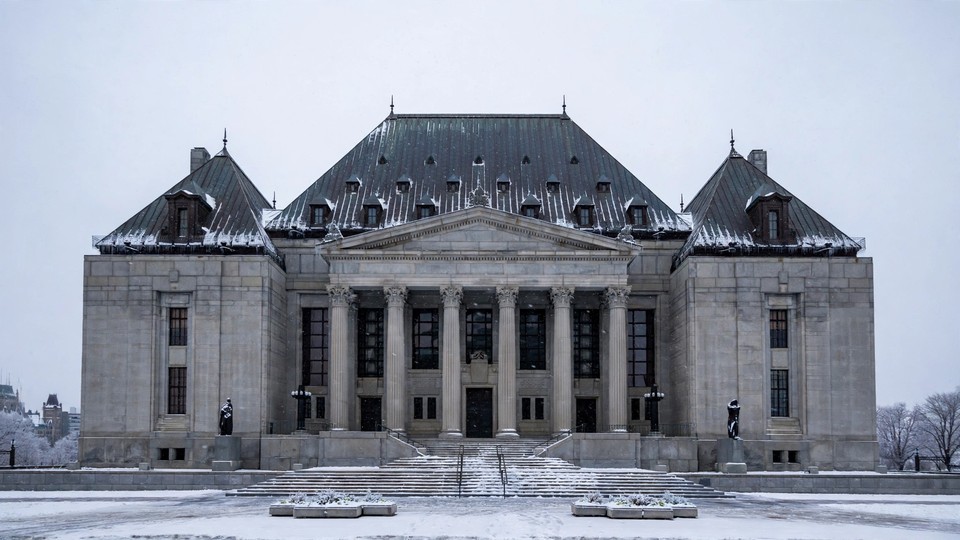
Image: Illustrative image.