
Key Takeaways
- Canada has 343 ridings; most votes wins the seat.
- Campaigns run 37 to 51 days.
- A majority government needs 172 seats.
343 Races, One Day
A federal election is not one national contest — it is 343 separate races, one per electoral district (riding), run simultaneously. The April 28, 2025 election was the first under the current boundaries, with more than 28.5 million electors on the final list.
The law sets a fixed date: a general election every four years on the third Monday of October. But the Canada Elections Act does not prevent an election on another date — lose a confidence vote, or advise the Governor General to call one, and the calendar moves.
The writ, and the clock
When an election is called, the Governor General dissolves Parliament and the Chief Electoral Officer issues one writ per district — a formal order to the returning officer naming nomination day, polling day and the return date. The clock is strict: polling day must fall no earlier than the 36th day and no later than the 50th day after the writ — an election period of 37 to 51 days. The 2025 campaign ran the minimum.
Who votes, and how
Any Canadian citizen aged 18 or older on election day can vote. You must be registered — but registration can happen at an Elections Canada office or right at the polling station, on an advance day or election day itself. Registered voters receive a voter information card by mail.
You can vote on election day, on four advance polling days, at any Elections Canada office by special ballot, or by mail (special ballot, applied for after the writs are issued). The ballots themselves are paper, counted by hand.
First-past-the-post, and the number 172
Each riding uses first-past-the-post: the candidate with the most votes wins the seat — no majority, no runoff. The party that wins the most seats usually forms government and its leader becomes prime minister. Win more than half the seats and it's a majority government — with 343 seats, the magic number is 172.
The Twikup Take
Canadian elections are deliberately low-tech and short: paper ballots, hand counts, five to seven weeks, done. The system trades national proportionality for local accountability — your MP is the person your neighbours picked, even if 60% of them picked someone else. Love it or reform it, that's the machine.
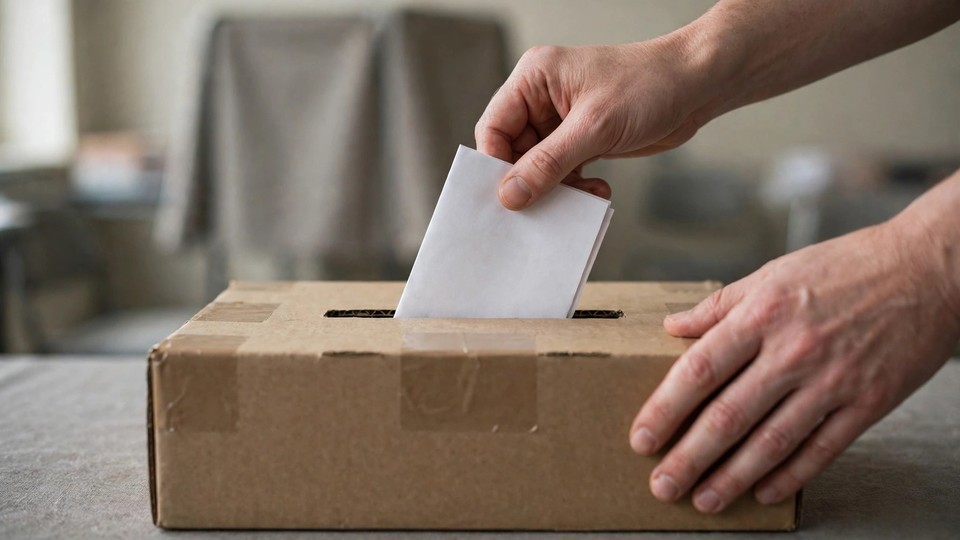
Image: Illustrative image.