
Key Takeaways
- Budget 2026 puts $4 billion into Canadian culture — the largest culture investment in the country's history.
- Nearly $800 million goes to museums and archives, plus $300 million for CBC/Radio-Canada and $130 million for local journalism.
- A proposed Canada Creative Credit would give artists tax relief on up to $45,000 of creative income.
Sovereignty starts with creativity, Ottawa says — and it is paying for it
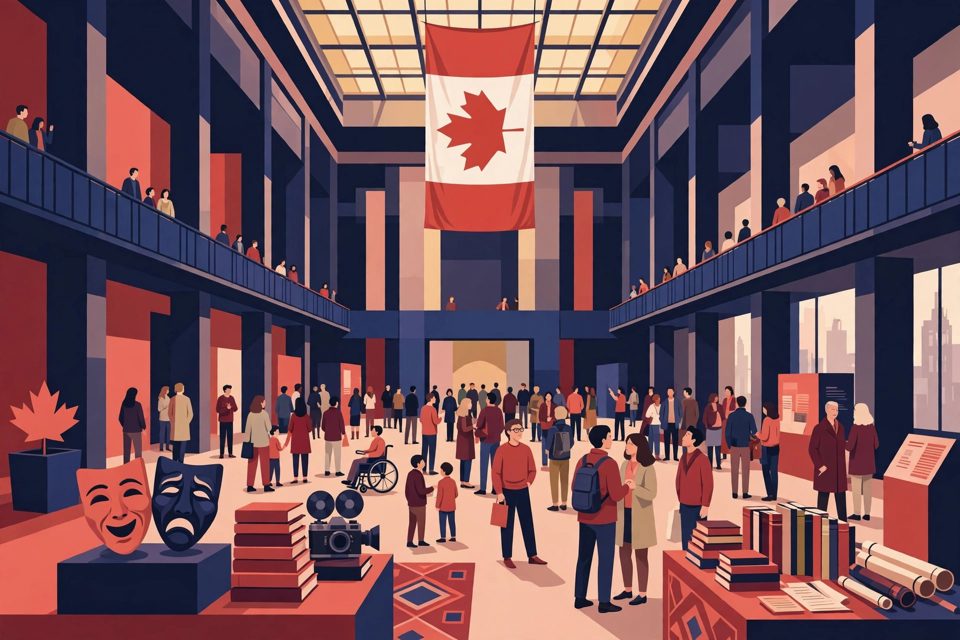
Prime Minister Mark Carney used a stop in Montréal on Tuesday to put a number on Budget 2026's culture bet: $4 billion, which his office calls the largest investment in culture in Canadian history. The money is spread across the institutions that keep the country's stories, the broadcasters and local newsrooms that tell them, and the artists who create them.
The biggest single block goes to the buildings and collections. Nearly $800 million over five years, starting in 2026-27, will repair and renew national museums, the National Battlefields Commission, the National Arts Centre and Library and Archives Canada. CBC/Radio-Canada gets an additional $300 million over two years, and the Local Journalism Initiative gets more than $130 million over four years plus more than $40 million ongoing, with the 35% journalism labour tax credit extended to qualifying private audio and audiovisual news organizations.
Access is the second theme. National museums would become permanently free for Canadians under 25 (more than $45 million over five years), the Canada Strong Pass returns for summer 2027 (over $75 million), and a free national digital collection of Canadian books would grow from at least 200 titles in 2027-28 to more than 2,000 by 2031-32.
Ottawa is also buying moments: a $300 million Canada 160 Fund for the country's 160th anniversary in 2027, and nearly $400 million over three years as Canada hosts the 2028 Francophonie Summit in the National Capital Region.
For artists themselves, the headline is a proposed Canada Creative Credit — a non-refundable personal income tax credit on up to $45,000 a year of qualifying income from original creative work. It is not law yet: the government says it will consult the sector, with details in the Spring Economic Update 2027. The release also confirms the previously announced $600 million for Canada's audio and audiovisual sectors, and notes the sector supports nearly 688,000 jobs and more than $69 billion in GDP.
The Twikup Take
Culture budgets are easy to announce and hard to feel, but two pieces of this one land directly: free national museums for under-25s, and real money for local journalism in the communities that have been losing it. The Creative Credit is the item artists will watch — $45,000 of sheltered creative income is meaningful if the final rules are simple, and meaningless if they are not.
Image: Illustrative image.