
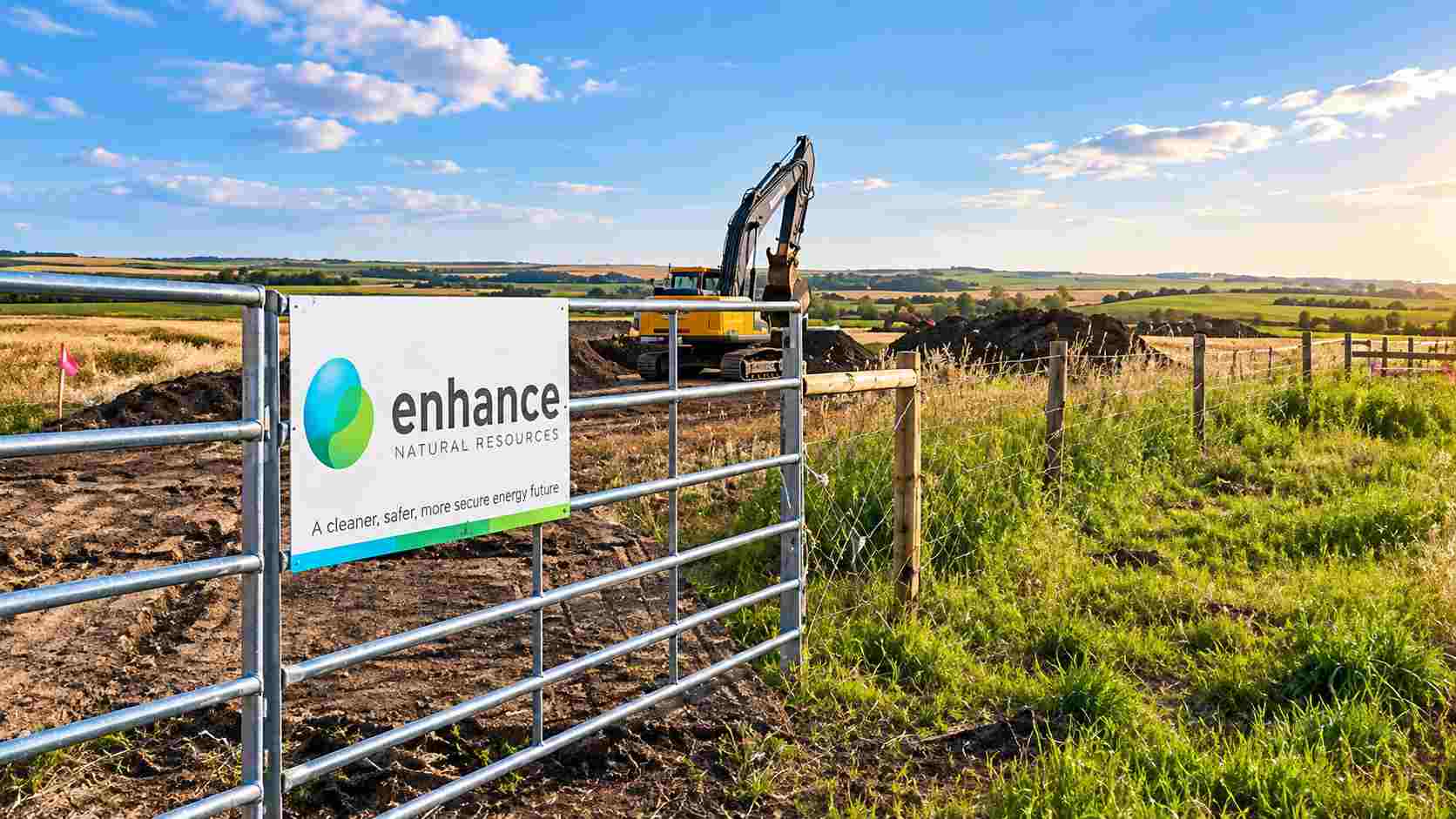
A Major Project Takes Shape in Alberta
The construction milestone comes as Canada looks for ways to reduce industrial emissions while maintaining major energy and manufacturing activities.
Natural Resources Canada says carbon capture and storage has been used in Canada since the 1950s. Alberta and Saskatchewan have developed significant expertise in the technology, supported by Canada's geological capacity for storing carbon dioxide.
Origins is intended to build on that foundation.
The project will be connected to Alberta's existing CO₂ transportation network, allowing captured emissions from industrial facilities to move toward permanent storage.
1.5 Million Tonnes of CO₂ Could Be Stored Every Year
When it becomes operational, Origins is expected to have the capacity to permanently store up to 1.5 million tonnes of CO₂ annually.
Natural Resources Canada compares that volume with the emissions impact of removing more than 500,000 cars from the road every year.
The initial capacity is not necessarily the final ceiling.
The project has been designed with the potential to expand, which could allow more industrial emitters and carbon-removal projects to connect to the storage system as the network develops.
Why Clive Matters
The location near Clive is significant because it builds on carbon-storage experience that already exists in the area.
Enhance Energy's existing Clive CCS operation has permanently stored more than 9 million tonnes of CO₂ since 2020, according to the federal government.
That experience gives the Origins project an established operational foundation.
The new hub will use Alberta's broader carbon-management infrastructure to create a larger system capable of handling emissions from multiple industrial sources.
Industries Could Plug Into the Network
Origins is expected to initially serve industrial facilities in Alberta's Industrial Heartland.
The potential users span several major sectors, including:
- Oil and gas
- Petrochemicals
- Cement
- Power generation
Carbon capture is intended as another route to lower emissions while industries continue producing energy and other commodities.
The Economic Side of Carbon Capture
The project is not being presented only as an environmental investment.
Canada and Alberta are also linking carbon management with economic growth, energy security and industrial competitiveness.
Construction will require skilled workers, while the completed facility is expected to create long-term jobs in operations and maintenance.
The federal government also says carbon-management infrastructure can attract investment by giving industrial companies a clearer pathway for managing their emissions.
For Alberta, that could be particularly important as the province tries to maintain its position as a major energy producer while responding to pressure to reduce emissions.
Alberta Already Has a Carbon Network
Origins will not operate in isolation.
Alberta is already home to the Alberta Carbon Trunk Line, one of the world's largest carbon dioxide transportation systems.
The province has also supported carbon capture projects, creating expertise around capturing, transporting and permanently storing CO₂.
That existing infrastructure is one of the reasons Alberta has become a major centre for Canada's carbon-management ambitions.
What Happens Underground?
Carbon capture and storage is a technology intended to reduce and remove carbon emissions from the atmosphere. At Origins, captured CO₂ is intended to be permanently stored as part of Alberta's established carbon-management infrastructure.
A Bigger Test for Canada's Net-Zero Plans
Canada has committed to reaching net-zero emissions by 2050, and large industrial facilities represent an important part of that challenge.
Projects such as Origins are intended to reduce emissions from sectors that may otherwise be difficult to decarbonize.
The federal government has also introduced a Carbon Capture, Utilization and Storage Investment Tax Credit to encourage investment in carbon-management projects.
That policy support, combined with Alberta's geological resources and existing infrastructure, could help determine how quickly Canada's CCS industry grows.
The Project Could Change Alberta's Industrial Landscape
The significance of Origins goes beyond the amount of CO₂ it can store.
A large, shared storage hub can potentially give multiple companies access to the same carbon-management infrastructure instead of requiring every facility to develop its own storage solution.
That could make future industrial projects easier to connect to a broader emissions-management network.
It could also create a new layer of infrastructure around Alberta's existing energy economy.
What to Watch as Construction Continues
The next major milestone is the planned January 2027 start of operations.
Attention will then turn to how much of the hub's initial annual storage capacity is used, which industries connect to the system and whether additional capacity is developed.
The project's ability to attract new investment will also be important.
If Origins scales successfully, it could strengthen Alberta's position in Canada's carbon-management sector and provide a model for larger industrial CCS networks.
TwikUp Insight
Canada's carbon-capture strategy is entering a more concrete phase with construction now underway at Origins.
The project brings together Alberta's geological advantages, existing CO₂ infrastructure and industrial base with federal support for emissions-reduction technology.
Its real impact will ultimately depend on execution: how efficiently the hub operates, how many industrial facilities connect to it and how much additional storage capacity can be developed.
If those pieces come together, Origins could become much more than a single CCS project. It could become a foundation for Alberta's next generation of industrial carbon management.