
Key Takeaways
- Budget 2026 projects a $62.3 billion deficit in 2026-27, easing to $52.9 billion by 2030-31
- Federal debt holds near 40% of GDP across the plan, and day-to-day operating spending is balanced by revenues from 2027-28
- Headline measures include the permanent Productivity Mega Deduction, $400 billion in capital investments over six years, and more than $50 billion for electricity
Canada Is Borrowing Billions. The Bet? Build Now, Benefit Later.
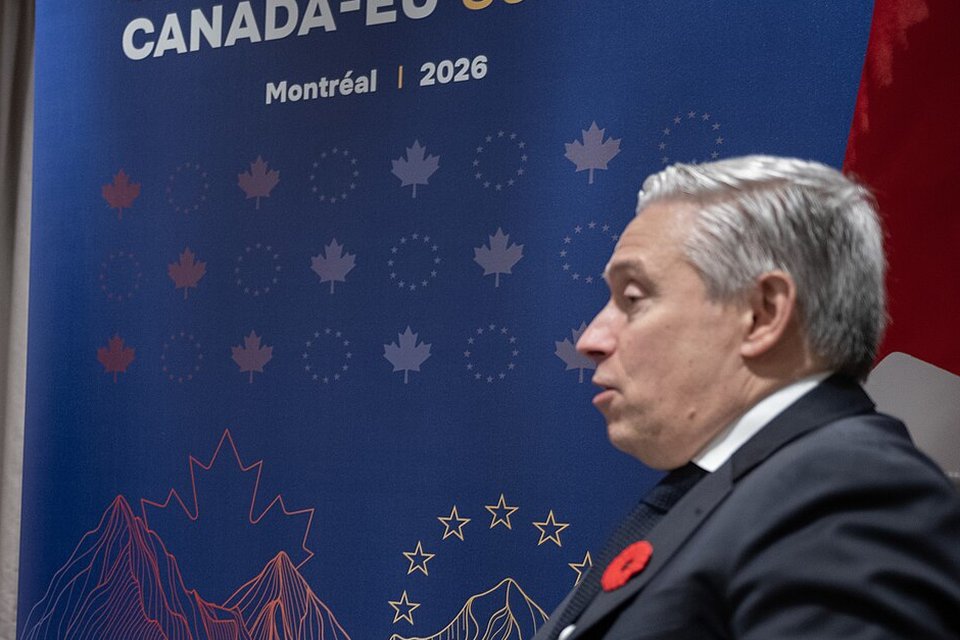
Finance Minister François-Philippe Champagne tabled Budget 2026, Masters of our destiny, in the House of Commons on November 5, 2026.
It projects a $62.3 billion deficit in 2026-27, followed by $62.5 billion in 2027-28, $57.6 billion, $53.4 billion, and $52.9 billion by 2030-31. The deficit drops from 1.8% of GDP to 1.3% over that period.
Federal debt stays close to 40% of GDP, at 39.9% next year and 40.1% in 2030-31.
The Deficit Isn't the Whole Story
The real headline is this: Ottawa says day-to-day operating spending will be balanced by revenues starting in 2027-28, a year ahead of schedule.
That matters because it separates everyday government spending from investment spending.
The Parliamentary Budget Officer projected a $63.3 billion deficit in 2026-27 and debt rising to 42.6% of GDP. That forecast didn't include this budget's measures, and the government also benefited from a stronger 2025-26 deficit of $39.3 billion.
The Budget Has a Clear Plan — and a Big Gamble
The centrepiece is the Productivity Mega Deduction.
Businesses can now write off the full cost of most new investments immediately — permanently. It covers about two-thirds of capital assets.
Ottawa says it cuts the tax burden on a new investment from 13% to 6.4%, the lowest in the G7.
This is the budget's biggest bet: make investing cheaper and faster, and hope companies respond.
$400 Billion in Capital Investments
Budget 2026 also launches a tax-system simplification package, commits $400 billion in capital investments over six years, and puts more than $50 billion behind the electricity strategy — enough, Ottawa says, to double grid capacity by 2050.
For households, the budget includes $22 billion in new affordability measures and keeps the temporary fuel excise tax suspension, worth up to 10 cents a litre on gasoline. At the same time, direct program spending growth slows from 8% to 2%.
The Twikup Take
The bet is clear: borrow to build — power lines, projects, and equipment — while day-to-day spending flattens.
Canada is betting that investment will pay off faster than the debt piles up. The deduction is permanent. So is the debt.
Image: Visit of Maroš Šefčovič, to Canada (P-070841-00-01) by Peter McCabe (European Union), CC BY 4.0.