
Key Takeaways
- The Bank of Canada raised its policy rate by 0.25 percentage points, from 2.25% to 2.50%.
- The Bank expects inflation to average around 3% in 2027, one percentage point above its July projection.
- Officials said further rate increases remain possible if higher energy costs spread more widely through the economy.
Bank of Canada Raises Policy Rate to 2.50%
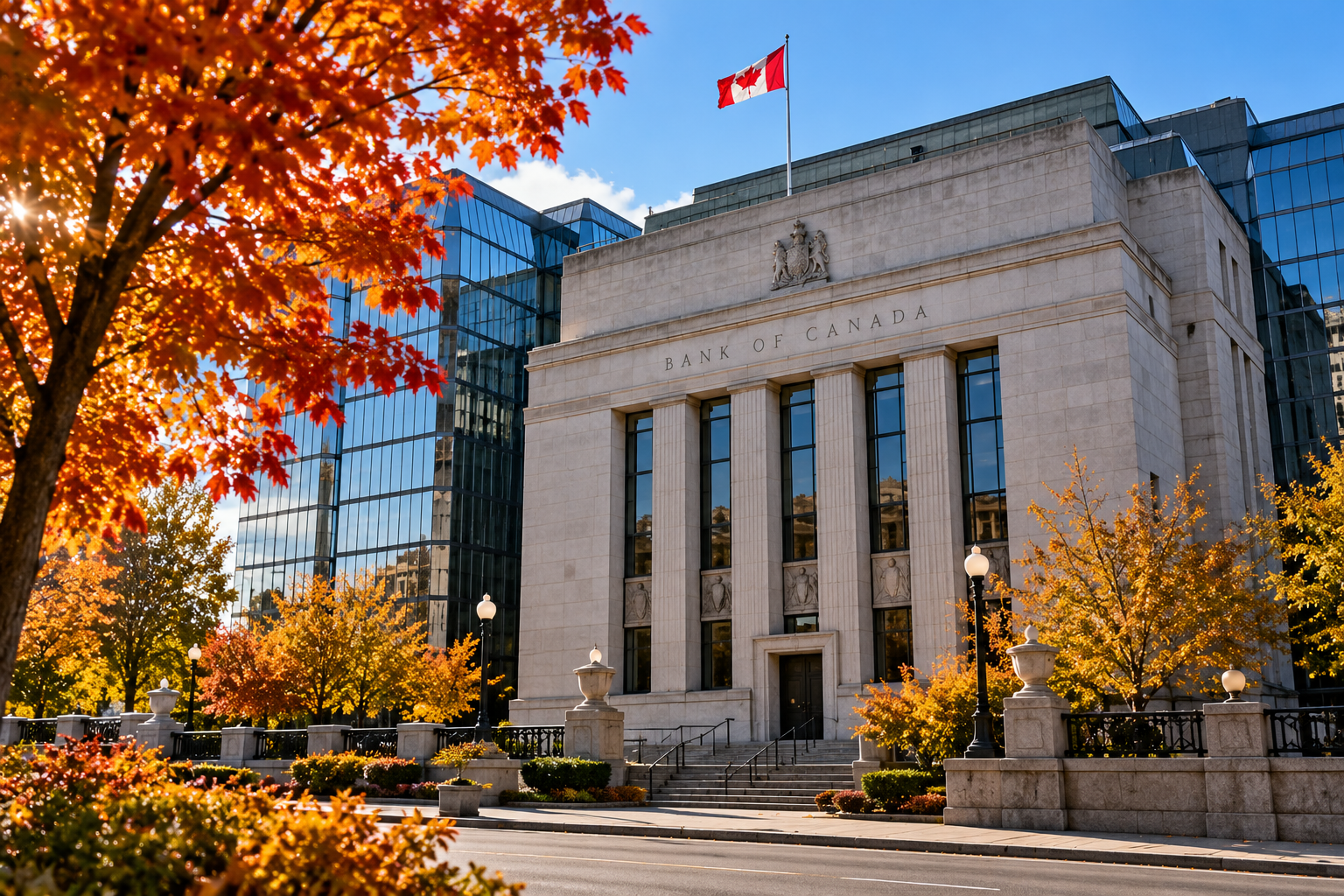
The Bank of Canada has raised its key policy interest rate for the first time since July 2023, increasing borrowing costs as energy-driven inflation pressures threaten to become more persistent.
On October 28, 2026, the central bank increased its overnight rate target by 25 basis points, moving it from 2.25% to 2.50%. The decision reflects concerns that elevated oil prices, refinery margins and rising business costs could push inflation beyond energy-related categories.
Why the Bank Increased Interest Rates
The Bank said Canadian inflation had remained around 3% since April, with higher fuel prices increasing production and transportation costs. Businesses have largely absorbed these pressures so far, but surveys suggest more costs could be passed on to consumers over the coming year.
The central bank expects consumer price inflation to reach approximately 3.5% by the end of 2026. Its October outlook projects inflation averaging 3% in 2027, one percentage point higher than forecast in July, before returning to 2% around the middle of 2028.
What the Decision Means for Canada's Economy
The Bank's latest projections show Canadian economic growth reaching 1% in 2026, followed by 2% in both 2027 and 2028. Growth strengthened through the middle of this year, supported by consumer spending, business investment and stronger exports.
However, new US tariffs are expected to slow activity in the fourth quarter. The Bank also highlighted uncertainty surrounding Canada-US trade relations and the economic consequences of persistent energy-price pressures.
The rate increase may affect variable-rate borrowing costs and financial conditions, although the impact on individual mortgages and loans depends on lenders and product terms.
Could Another Rate Increase Follow?
The Bank explicitly stated that another increase could be necessary. Governing Council said inflation was higher and more persistent than previously expected, but emphasized that uncertainty required a careful approach.
TwikUp's Perspective
The decision highlights the challenge facing policymakers: controlling inflation without unnecessarily weakening economic growth. Higher rates may help limit broader price increases, but they can also increase financial pressure on borrowers and businesses.
The next scheduled policy-rate announcement is December 9, 2026. Until then, inflation data, energy prices and trade developments will remain important indicators of the Bank's next move.