
Key Takeaways
- Chery plans to begin production at its Rosslyn plant near Pretoria in mid-2027.
- The company committed to retaining 692 existing factory employees and aims to create nearly 3,000 jobs across the supply chain.
- Chery aims to achieve an initial 40% localisation rate by 2028.
Chery South Africa Plant: Chinese Automaker Targets Local Production in 2027
South Africa's automotive industry is preparing for a new manufacturing chapter as China's Chery Group moves beyond vehicle imports and invests in local production. Its Rosslyn factory project could reshape the company's regional operations while creating opportunities for domestic suppliers.
Production Plans for the Rosslyn Plant
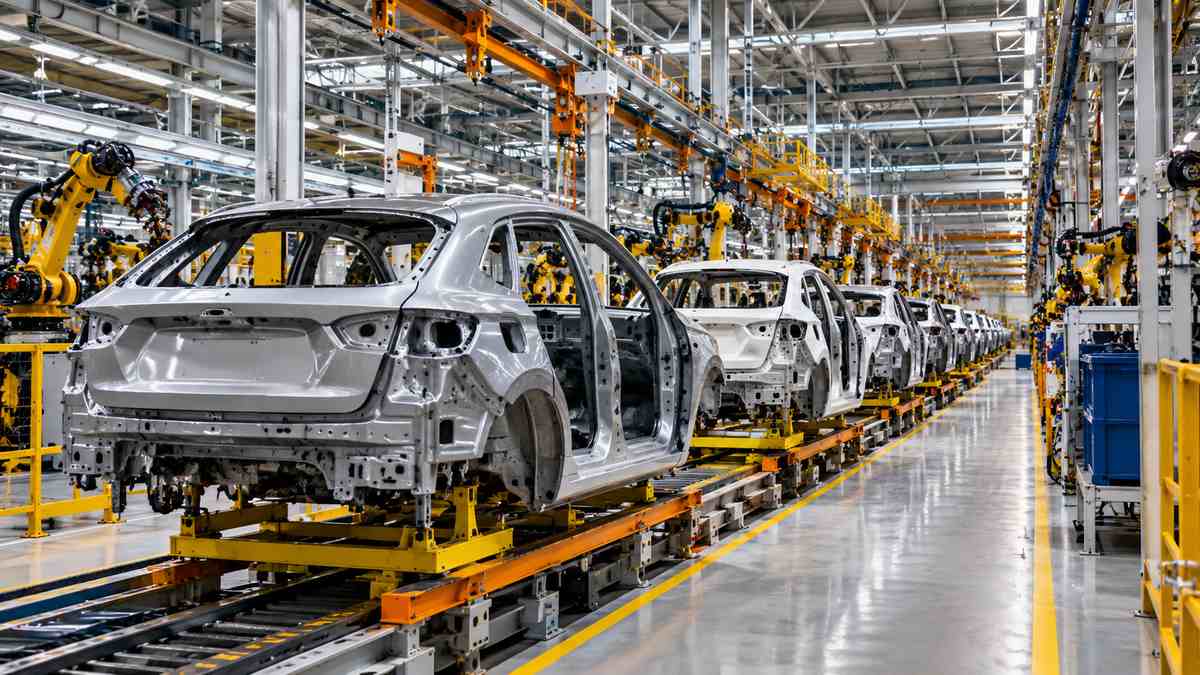
Chery officially inaugurated its Rosslyn manufacturing plant near Pretoria on July 3, 2026. The facility, originally built in 1963 and acquired from Nissan, is being upgraded and modernised ahead of production.
According to Chery and the South African government, manufacturing is scheduled to begin in mid-2027. The government says production will cover Chery, Jaecoo and Jetour vehicles, with annual output expected to reach 15,000 units as operations ramp up in 2028.
Reuters reported on October 21 that Chery had selected the Omoda C4 crossover SUV as the first model to be manufactured locally. However, the official announcements reviewed do not independently confirm this model-specific detail or the reported petrol, hybrid and electric variants.
Jobs and Local Suppliers in Focus
Chery has committed to retaining all 692 employees at the factory. The company also expects the investment to generate nearly 3,000 jobs across the wider automotive value chain, including logistics, engineering, supply chains and support services.
A major part of the project is localisation. Chery aims to achieve an initial 40% local content rate by 2028, potentially creating opportunities for South African component manufacturers and service providers.
The investment also aligns with the government's ambition to strengthen domestic manufacturing and establish South Africa as a regional automotive production and export hub.
TwikUp's Perspective
The project's long-term value will depend on more than the number of vehicles assembled. Local suppliers need consistent orders, technical support and opportunities to meet automotive quality standards. Building those capabilities could spread the benefits beyond the factory gates.
Chery's next challenge is execution: completing upgrades, starting production on schedule and steadily increasing local sourcing. If these goals are achieved, Rosslyn could become an important base for the company's African expansion while contributing to South Africa's industrial development.