
Key Takeaways
- Canada will be the lead nation at MSPO 2026 in Poland, with a trade mission involving more than 200 organizations and nearly 500 delegates.
- Defence Minister David McGuinty and International Trade Minister Maninder Sidhu will use the event to promote Canadian defence, aerospace and advanced technology capabilities.
- Canada says its defence industry contributes more than $11 billion to GDP and supports 82,000 jobs, while stronger international partnerships could create new export and investment opportunities.
Canada is heading to Poland with a very large business card.
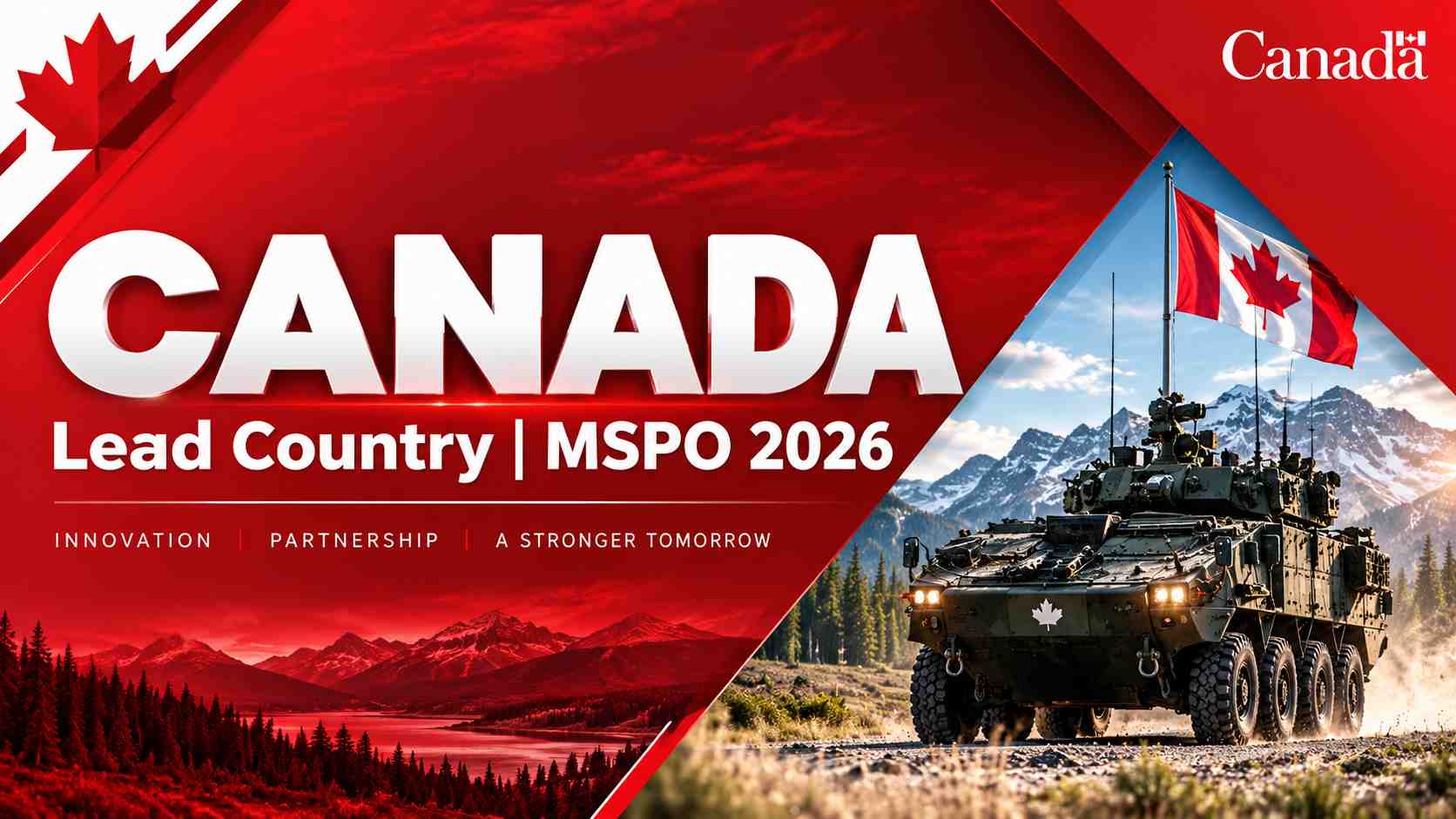
At MSPO 2026, one of Europe’s major defence exhibitions, Canada will participate as the Lead Nation — bringing more than 200 organizations and nearly 500 delegates.
The event runs September 8–11 in Kielce, Poland, and Canada is using its prominent position to put Canadian defence, aerospace and advanced-technology companies in front of governments, buyers and potential international partners.
Nearly 500 Canadians Are Going
Canada’s Lead Nation status isn’t new — it was confirmed before this year’s event.
What’s notable now is the size of the delegation.
The federal government says nearly 500 delegates representing more than 200 organizations are expected to participate.
They won’t just be showing off Canadian capabilities. Ministers, officials and businesses are expected to meet Canadian and international stakeholders to explore partnerships, investment and opportunities in international markets.
In other words, the real prize isn’t attention at the exhibition. It’s what those meetings could produce afterward.
Why This Matters for Canadian Business
Canada’s defence industry is already a sizeable part of the economy.
International Trade Minister Maninder Sidhu says the sector contributes more than $11 billion to Canadian GDP and supports approximately 82,000 jobs.
That makes international contracts and partnerships potentially important well beyond the biggest defence companies.
New business can flow through manufacturers, technology developers, aerospace companies, suppliers and skilled workers — although there is no guarantee that meetings at MSPO will result in contracts.
Canada Is Walking Into a Huge Marketplace
MSPO is not a small industry conference.
The Canadian government describes it as Europe’s third-largest land-based defence and security tradeshow and the flagship defence event in Central and Eastern Europe.
Ottawa says the 2026 edition is expected to attract more than 40,000 visitors and 60 official delegations. The event organizer has said more than 1,000 exhibitors from 40 countries are expected.
That gives Canadian businesses something difficult to recreate on their own: a huge concentration of governments, companies and potential partners in one place.
Poland Is Part of the Bigger Picture
Defence Minister David McGuinty is also expected to meet Polish Deputy Prime Minister and Defence Minister Władysław Kosiniak-Kamysz.
Canada says the mission is intended to strengthen defence and industrial cooperation with Poland and other allies while supporting its broader Defence Industrial Strategy.
For Canadian businesses, the opportunity goes beyond traditional military equipment. Aerospace, advanced manufacturing and technology companies can also form part of modern defence supply chains.
But nearly 500 delegates don’t automatically equal 500 success stories.
The important part comes next: whether the introductions made in Poland eventually turn into contracts, investment, exports and long-term partnerships.
For four days in September, however, Canada will have one of the biggest spotlights at MSPO — and more than 200 Canadian organizations will be trying to make the most of it.