
Key Takeaways
- China's CXMT is set to supply LPDDR6 memory for Xiaomi's upcoming 18 Fold smartphone.
- The Xiaomi 18 Fold is expected to launch in September 2026.
- The deal highlights China's progress in developing and supplying advanced domestic memory technology for high-end smartphones.
What Is CXMT?
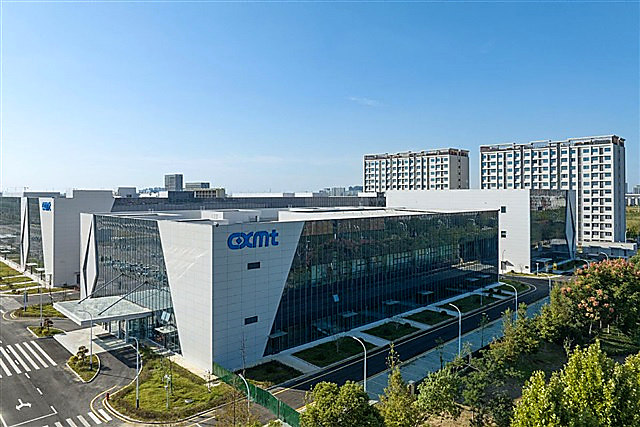
ChangXin Memory Technologies is a Chinese semiconductor company focused on memory-chip technology.
The company develops DRAM products used in electronic devices, including smartphones and other computing products.
CXMT has been expanding its memory-production capabilities as China works to strengthen its domestic semiconductor supply chain.
What Memory Chip Will Xiaomi Use?
The Xiaomi 18 Fold is expected to use LPDDR6 DRAM supplied by CXMT.
LPDDR, or Low Power Double Data Rate memory, is designed for mobile and other power-sensitive devices.
The newer LPDDR6 standard is designed to provide higher memory performance while maintaining the power efficiency required by modern mobile hardware.
Which Xiaomi Phone Is Involved?
The memory supply is connected to Xiaomi's upcoming Xiaomi 18 Fold.
The foldable smartphone is expected to arrive in September 2026 and is positioned as a high-end device.
The phone is also expected to use Xiaomi's Xring O3 processor, which supports LPDDR6 memory.
Why Is the CXMT Supply Important?
The development is significant because it shows a Chinese memory manufacturer moving further into advanced smartphone components.
High-end smartphones require increasingly capable memory to support demanding applications, artificial intelligence features, multitasking and advanced camera systems.
Having domestic memory suppliers capable of producing newer-generation DRAM can also help strengthen China's semiconductor supply chain.
CXMT Moves Into LPDDR6
CXMT has said that its LPDDR6 DRAM has entered mass production.
Moving from development to mass production is an important step for a semiconductor manufacturer because producing chips consistently at commercial scale is considerably more demanding than developing a working product.
The Xiaomi supply arrangement could therefore provide CXMT with an important opportunity to demonstrate its newer memory technology in a major consumer device.
What Is LPDDR6?
LPDDR6 is a newer generation of low-power DRAM technology designed for mobile and computing applications.
Memory is a critical component in smartphones because it temporarily stores data that the processor needs to access quickly.
More capable memory can help devices handle demanding workloads and multiple applications more efficiently.
For a foldable flagship smartphone, fast and power-efficient memory is particularly important because the device is expected to support a wide range of demanding applications.
Xiaomi's Semiconductor Strategy
Xiaomi has increasingly developed its own semiconductor technologies alongside components sourced from other chip manufacturers.
The expected use of CXMT memory alongside Xiaomi's Xring O3 processor illustrates the growing presence of Chinese-designed or Chinese-supplied semiconductor components in premium mobile hardware.
This could become increasingly important as Chinese technology companies seek greater control over their supply chains.
China's Domestic Memory Industry
China has been investing heavily in its semiconductor industry in an effort to reduce reliance on overseas suppliers.
Memory chips are an important part of that effort because DRAM is used across smartphones, computers, servers and other electronic devices.
CXMT's progress in advanced DRAM therefore has implications beyond a single smartphone.
What Could This Mean for Smartphone Makers?
The development could encourage more Chinese smartphone manufacturers to consider domestic memory suppliers for future devices.
If domestic suppliers can provide competitive performance, reliability and production volumes, smartphone manufacturers could have another option when sourcing memory components.
That could gradually change the structure of China's smartphone semiconductor supply chain.
Competition in the Global Memory Market
The global memory-chip industry is dominated by major manufacturers such as Samsung Electronics, SK hynix and Micron.
CXMT's move into newer-generation memory technology puts the Chinese company into a more competitive part of the global DRAM market.
Supplying memory for a flagship foldable smartphone would give CXMT an opportunity to demonstrate that its technology can meet the requirements of high-end consumer electronics.
Why the Xiaomi 18 Fold Matters
Foldable smartphones are among the most technically demanding consumer devices because manufacturers need to combine powerful processors, fast memory, advanced displays and complex mechanical designs in a relatively compact product.
Using advanced domestic memory in such a device would therefore represent a notable step for China's semiconductor sector.
What Happens Next?
The Xiaomi 18 Fold is expected to launch in September 2026.
The device's final specifications and market availability will provide more information about how extensively CXMT's LPDDR6 technology is being used in Xiaomi's new foldable smartphone.
The launch could also offer a closer look at the performance of China's latest domestic mobile memory technology.
TwikUp Insight
CXMT's expected supply of LPDDR6 memory for Xiaomi's 18 Fold marks an important development for China's semiconductor industry.
The move brings domestic Chinese memory technology into a high-end foldable smartphone and highlights the country's broader effort to strengthen its semiconductor supply chain.
With the Xiaomi 18 Fold expected in September, the device could become an important showcase for CXMT's next-generation memory technology.