
Key Takeaways
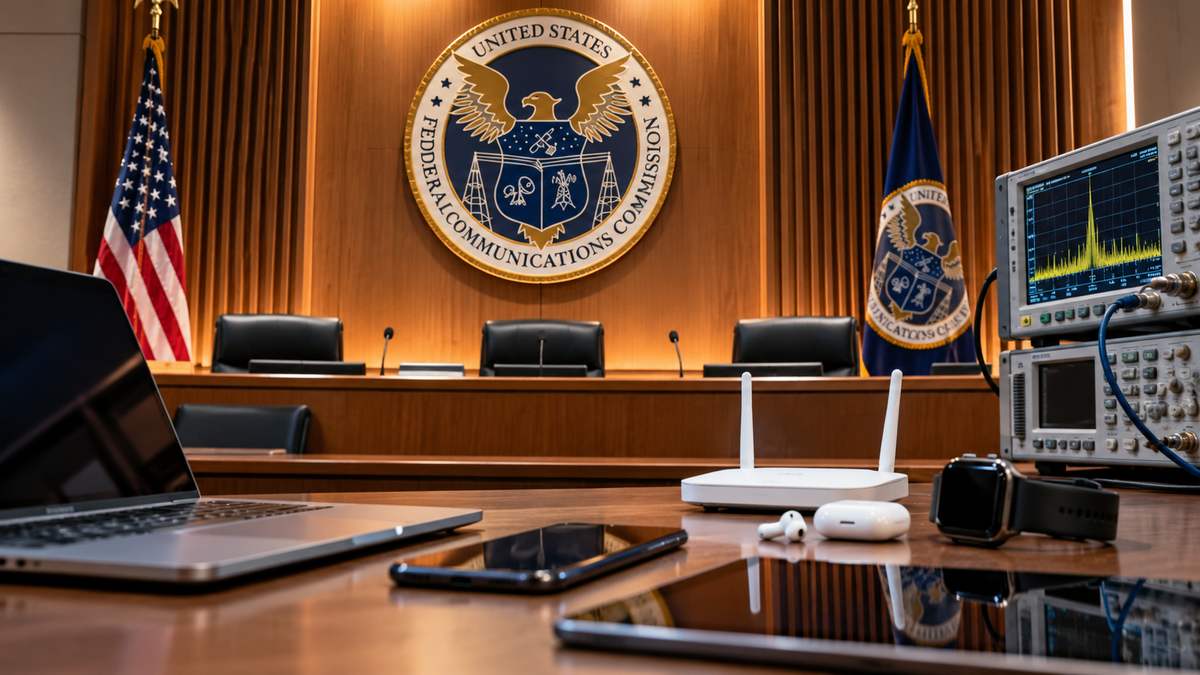
- On April 30, 2026, the FCC voted to begin a rulemaking on recognition of foreign electronics testing laboratories and certification bodies.
- The proposal targets countries without qualifying reciprocal agreements with the United States, rather than identifying China as the sole criterion.
- The FCC has also adopted measures to prioritize certain devices tested in the United States or qualifying reciprocal countries.
FCC Targets Foreign Electronics Testing Through Reciprocity Rules
A major change to how electronic devices are tested for the US market could reshape the global certification industry. The Federal Communications Commission is pursuing rules that would limit recognition of foreign testing laboratories in countries that do not offer reciprocal treatment to American testing organizations.
What the FCC Has Proposed
On April 30, 2026, the FCC announced that it had voted to launch a rulemaking examining whether to stop recognizing electronics testing laboratories and certification bodies in countries without qualifying reciprocal agreements with the United States.
These organizations play an important role in the equipment authorization process. Devices such as smartphones, computers and wireless products may require testing and certification before they can be marketed in the United States.
Under the proposal, laboratories in countries without a Mutual Recognition Agreement or a comparable reciprocal trade agreement could eventually lose recognition. The FCC's April announcement said the proposed restrictions would involve a phase-out period following adoption and implementation of final rules.
The proposal is broader than China alone. Eligibility would depend on whether a country provides qualifying reciprocal treatment, rather than simply on the nationality of a laboratory.
Security and Industry Implications
The FCC says its approach is intended to strengthen oversight, improve testing integrity and encourage manufacturers to use laboratories in the United States or qualifying partner countries.
The agency has also adopted measures to prioritize certain equipment authorization reviews when devices are tested in trusted laboratories. Additional measures include greater disclosure of foreign employees involved in testing, improved post-market surveillance and stronger enforcement against fraudulent certifications.
For electronics manufacturers, changes to laboratory recognition could affect testing arrangements, compliance planning and the time required to bring products to market. The eventual impact will depend on the final rules and how the agency implements them.
TwikUp's Perspective
The proposal highlights how technical certification is increasingly connected to trade policy and national security. Companies that depend on international testing networks may need to assess alternative laboratories and potential compliance costs. However, the proposal should not be described as a completed blanket ban on all Chinese laboratories. Its scope depends on reciprocal agreements and the final regulatory process.