
Key Takeaways
- Brownfield redevelopment can bring underused urban land back into productive use without expanding development into undeveloped areas.
- Environmental assessments, remediation requirements and regulatory approvals can determine whether a site is financially viable.
- Ontario and Alberta offer different redevelopment support mechanisms, but eligibility and potential benefits depend on local rules.
Could Contaminated Land Become a Property Investment Opportunity in Canada?
Canada brownfield redevelopment is attracting attention because many cities have vacant or underused industrial and commercial properties that could support new development. Former factories, gas stations, warehouses and industrial waterfronts may occupy locations with access to roads, utilities and established neighbourhoods.
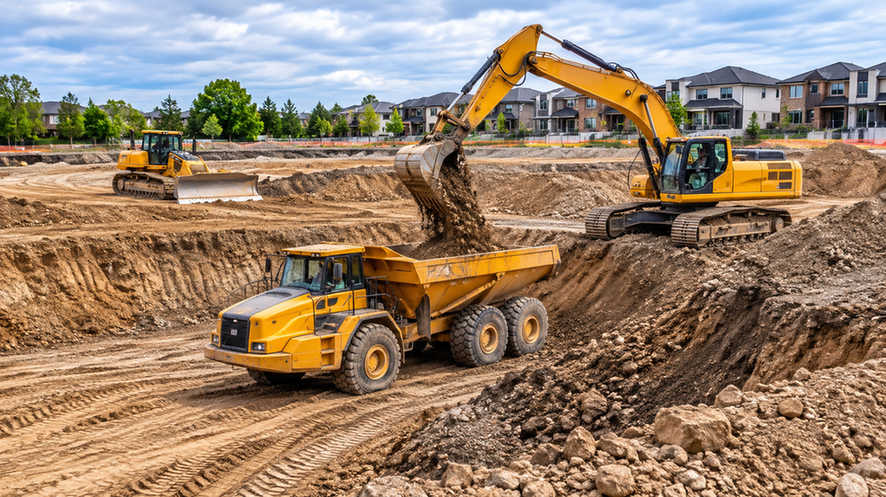
However, these properties are not ordinary development sites. Previous activities may have left chemicals, petroleum products, heavy metals or other contaminants in the soil or groundwater. Turning such land into housing, offices or commercial space requires environmental investigation, regulatory compliance and a realistic financial plan.
For investors, the opportunity lies in understanding whether the cost of making a site suitable for a new use is justified by its future development potential.
What Makes Brownfield Properties Valuable?
Brownfields are generally vacant, underused or derelict commercial and industrial properties where previous activities may have caused contamination.
Their potential advantage is location. A former industrial property inside an established city may already have access to transportation networks, electricity, water, sewer services and nearby employment centres. This can make redevelopment attractive compared with developing completely undeveloped land.
Possible future uses include residential buildings, commercial developments, warehouses, community facilities, parks and mixed-use projects.
Toronto's Artscape Wychwood Barns illustrates how a former industrial facility can be converted into a community destination. The redevelopment included 26 affordable housing units and required the removal and treatment of contaminated soil.
Which Canadian Markets Offer Brownfield Redevelopment Opportunities?
Ontario has an established regulatory framework for brownfield redevelopment. Toronto and other urban municipalities contain former industrial and commercial properties where redevelopment may support housing, employment and community infrastructure.
The province also operates the Brownfields Financial Tax Incentive Program. Eligible municipalities can provide property-tax assistance to help offset remediation expenses. The potential benefit depends on municipal participation and the property's eligibility.
Alberta also encourages the reuse of contaminated properties. Calgary has examples of redevelopment involving former industrial sites, including Quarry Park and the former military lands used for Currie Communities.
In British Columbia, contaminated-site certification and disclosure requirements are important considerations for developers. Former industrial and waterfront locations may offer redevelopment possibilities, but environmental responsibilities must be established before acquisition.
These locations are research opportunities, not a ranking of guaranteed investment returns.
How Does Brownfield Remediation Work?
Environmental due diligence usually begins with a Phase I Environmental Site Assessment. Qualified professionals review historical property uses, available records and site conditions to identify potential environmental concerns.
If the investigation identifies areas requiring further examination, a Phase II assessment may involve collecting soil, groundwater or other samples to determine the type and concentration of contaminants.
The results help determine whether remediation is required and which approach is suitable. Options can include removing contaminated soil, treating groundwater, using containment systems or implementing approved risk-management measures.
In Ontario, a Record of Site Condition may be required before changing a property to a more sensitive use, such as residential development. Requirements vary across provinces, so investors should not assume that one province's approval process applies nationally.
What Financial Risks Should Investors Calculate?
A low purchase price does not necessarily make contaminated land inexpensive.
Investors should account for environmental assessments, laboratory testing, cleanup, soil transportation and disposal, engineering, regulatory approvals, insurance, financing and possible long-term monitoring.
Unexpected contamination can increase costs after acquisition. A site may also require a more expensive remediation method than initially anticipated.
Before making an offer, investors should obtain independent environmental advice, investigate potential historical liabilities and include appropriate contractual protections. They should also confirm whether the proposed development is permitted under current zoning and planning rules.
TwikUp's Perspective
Brownfield redevelopment can create value when environmental cleanup and future land use support a financially realistic project. However, investors should evaluate the site as both a real estate asset and an environmental responsibility.
The strongest analysis starts with the property's intended use, not its discounted purchase price. A site suitable for commercial or industrial redevelopment may require a different cleanup standard from land intended for homes, schools or other sensitive uses.
Readers exploring wider development opportunities can also review TwikUp's guide to Canada development land investment in 2027. Understanding zoning potential alongside environmental obligations can help investors avoid confusing a cheap parcel with a viable project.
Disclaimer
This article is for general educational purposes and does not constitute financial, legal, environmental or investment advice. Brownfield acquisitions involve environmental liabilities, remediation expenses and regulatory requirements. Obtain independent environmental, legal and financial assessments before purchasing or redeveloping contaminated property.