
Key Takeaways
- Waterfront properties can command substantial premiums because suitable shoreline locations are limited and difficult to reproduce.
- Septic systems, docks, shoreline maintenance and seasonal accessibility can create expenses that buyers may overlook.
- A lakefront home makes financial sense when its location, condition, ownership costs and resale prospects justify the additional purchase price.
Are Canadian Waterfront Properties Worth Their Higher Prices in 2027?
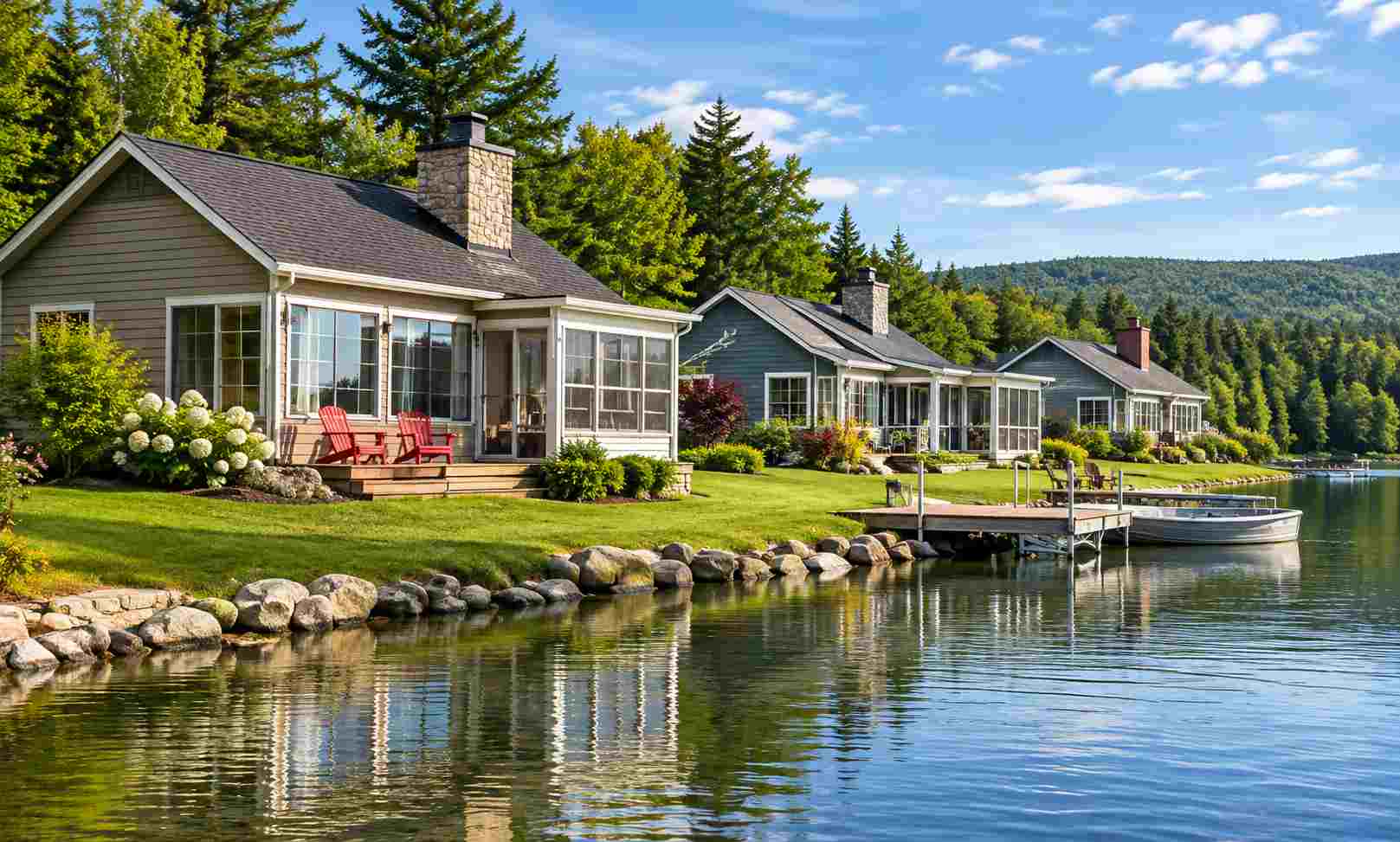
A lakefront property can offer something that an ordinary residential home cannot: direct access to the water, private outdoor space and a recreational lifestyle. These advantages help explain why buyers often pay considerably more for homes beside lakes.
However, paying a premium does not automatically make a property a strong investment. Buyers considering Canada waterfront property in 2027 should evaluate the purchase price alongside maintenance expenses, shoreline restrictions, insurance availability and future resale demand.
The right property may justify its higher cost through personal enjoyment and long-term appeal. The wrong one can become an expensive responsibility.
How Much More Do Waterfront Homes Cost in Canada?
Waterfront homes generally occupy a different price segment from standard recreational properties because shoreline locations are limited. Their prices depend on the lake, location, water access, frontage, building condition and nearby amenities.
Royal LePage's 2026 Spring Recreational Property Report recorded a weighted median price of $717,600 for single-family waterfront properties across Canada's recreational regions in 2025. This represented a 5.2% decrease from the previous year.
That figure is a historical market benchmark, not a national asking price or a prediction for 2027. Individual markets can behave differently. A property near a popular Ontario lake may have a very different price from a modest cottage in a less developed recreational area.
Ontario's Municipal Property Assessment Corporation also reported substantial regional differences in waterfront resale prices in its 2025 second-quarter residential report. Buyers should therefore compare similar properties on the same lake or within the same recreational market rather than relying on national averages.
What Makes Lakefront Properties More Expensive?
The shoreline itself is a major part of the value. Buyers may be paying for private waterfront access, attractive views, usable shoreline, a dock, swimming opportunities and proximity to recreational activities.
However, not every waterfront listing offers the same experience. Some properties have shallow water, rocky shorelines, limited swimming access or steep land between the house and lake. Frontage also matters. A larger shoreline does not automatically mean better value if much of it is difficult to access or maintain.
The property's road access, distance from major cities, nearby services and ability to support year-round living can influence its market appeal. Buyers should assess these features before treating the waterfront premium as justified.
What Hidden Costs Should Buyers Calculate?
Waterfront ownership can involve expenses beyond a conventional home's mortgage, property taxes and insurance. Docks, retaining structures, shoreline vegetation, drainage systems and outdoor structures may require regular inspection or repairs. Exposure to water, moisture, ice and changing weather conditions can increase maintenance requirements.
Septic systems deserve particular attention in cottage areas. A failed or undersized system can create substantial repair expenses and may limit how a property can be used.
Buyers should also investigate drinking-water quality, private wells, internet availability, winter road maintenance and access to emergency services. Seasonal properties may require additional preparation before winter and after extended periods without occupancy.
A realistic ownership budget should include an annual maintenance reserve rather than assuming that a lakefront home will remain inexpensive simply because it is used only during summer.
What Shoreline and Environmental Rules Should Buyers Know?
Owning land beside a lake does not necessarily provide unrestricted control over the shoreline or water. Local zoning rules, environmental protections, conservation authority requirements and provincial regulations may affect construction, renovations, docks, boathouses and shoreline alterations.
For example, Ontario's land-use planning guidance identifies situations where construction in the water may require approval from the Ministry of Natural Resources. New septic systems also require appropriate permits.
Waterfront buyers should confirm property boundaries, legal access, easements, dock permissions and applicable shoreline setbacks before completing a purchase. Flood exposure and erosion deserve separate investigation. A beautiful shoreline can still carry long-term risks if the land is unstable or exposed to changing water levels and severe weather.
Do Waterfront Homes Have Better Resale Potential?
Not necessarily. Limited shoreline supply can support demand, but a property's resale performance depends on more than its location beside a lake. A well-maintained home with usable waterfront access, reliable road connections and documented improvements may attract buyers more easily than a property with expensive repairs or uncertain ownership restrictions.
The potential buyer pool can also be narrower because waterfront homes often require larger budgets and may involve additional maintenance responsibilities.
Seasonality matters too. A cottage that attracts strong interest during summer may take longer to sell during colder months. Investors should avoid assuming that every lakefront property will generate consistent rental income throughout the year.
TwikUp's Perspective
The best way to evaluate a waterfront purchase is to separate lifestyle value from financial value. A family planning to use a cottage regularly may reasonably accept a higher price because the property provides benefits that cannot be measured through rental income alone.
An investor, however, needs a more disciplined calculation involving purchase premium, annual expenses, realistic rental demand, maintenance reserves and potential resale conditions. Before buying, compare the waterfront property with a similar non-waterfront home in the same area. The price difference becomes easier to judge when the additional costs and benefits are visible.
Readers comparing regional property markets can also explore TwikUp's Ontario housing market forecast for 2027 and Alberta real estate forecast for 2027. Ultimately, a lakefront home is worth its premium when the property fits the buyer's financial capacity, intended use and long-term ownership plans.
Disclaimer
This article is for general educational purposes and does not constitute financial, investment, legal or real estate advice. Property prices, local regulations, insurance conditions and ownership costs vary by location. Buyers should obtain independent legal, inspection, insurance and financial advice before purchasing waterfront property.