
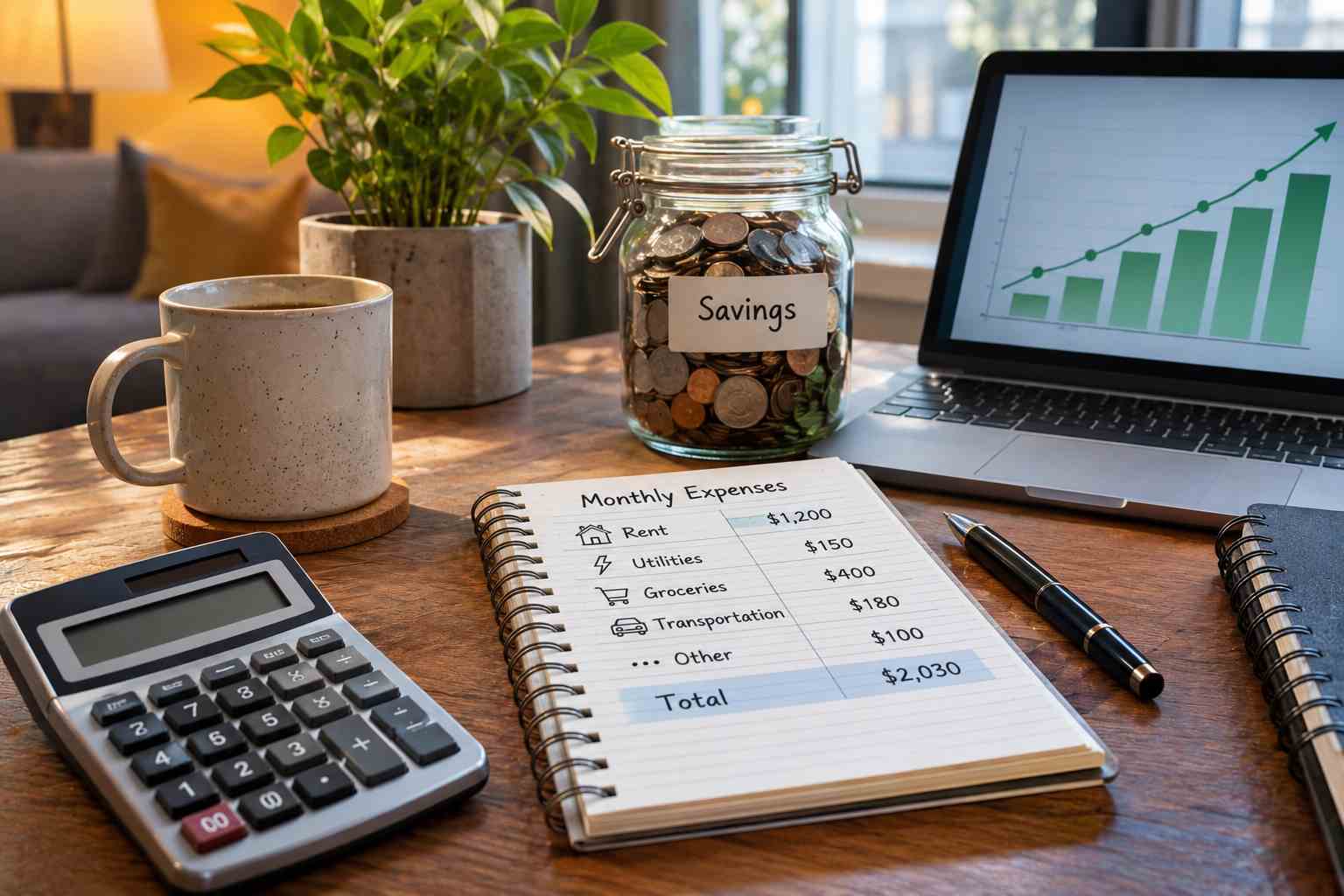
Key Takeaways
- Calculate your emergency fund using essential monthly expenses rather than your full salary.
- Your ideal savings target depends on income stability, household responsibilities, insurance and access to other reliable support.
- Building a small, accessible cash reserve first is more useful than waiting until you can save several months of expenses.
How Much Emergency Savings Do You Really Need?
A sudden job loss, an expensive car repair or an unexpected medical bill can put pressure on a household budget within days. The problem is not always the size of the expense. It is whether you have money available without taking on costly debt.
A useful starting point is three to six months of essential living expenses. However, this is a planning guideline, not a rule that every household must follow. Your target should reflect how much you spend, how predictable your income is and how many people depend on it.
Calculate Your Emergency Fund Using Essential Expenses
Start with the costs you would still need to pay if your income stopped temporarily. These usually include:
- Rent or mortgage payments
- Basic groceries and household supplies
- Electricity, heating, water and phone bills
- Essential transportation costs
- Insurance premiums
- Minimum required debt payments
- Childcare and necessary medical expenses
Leave out restaurant meals, entertainment, holidays, shopping and other spending you could reduce during a difficult period.
For example, imagine your essential monthly expenses total $3,000. A three-month emergency fund would be $9,000, while a six-month fund would be $18,000.
The formula is simple:
Emergency fund target = Essential monthly expenses × Number of months
This calculation is more useful than multiplying your gross annual salary by a percentage because it focuses on what your household actually needs to keep functioning.
How Much Should You Save for Three, Six or Twelve Months?
A three-month reserve can be a reasonable first major milestone for someone with stable employment, predictable bills and another reliable household income.
A six-month target may provide a stronger cushion if you have dependents, a mortgage, higher fixed expenses or limited access to replacement income.
A nine-to-twelve-month reserve may be worth considering if you are self-employed, work on contracts, depend on seasonal income or would face a lengthy job search after losing your position. It can also make sense when one person supports the entire household.
Consider these illustrative calculations:
| Essential monthly expenses | 3 months | 6 months | 12 months |
|---|---|---|---|
| $2,000 | $6,000 | $12,000 | $24,000 |
| $3,000 | $9,000 | $18,000 | $36,000 |
| $4,000 | $12,000 | $24,000 | $48,000 |
| $5,000 | $15,000 | $30,000 | $60,000 |
The figures can represent CAD for Canadian households or USD for American households. They are examples, not estimates of typical living costs.
What If Your Income Is Irregular?
A salaried employee and a freelance designer may have identical monthly expenses but very different financial risks. A regular employee may receive predictable pay and have access to employer benefits. A freelancer, contractor or small-business owner may experience delayed invoices, seasonal demand or several months of lower earnings.
If your income changes frequently, calculate essential expenses using a realistic monthly average, then consider a larger reserve. Do not base the target on your best earning month.
Households with one income earner may also need more protection than households with two independent earners. However, two incomes are not automatically safe if both depend on the same employer, industry or economic conditions.
Canada and USA: What Should You Consider?
Canadian readers can use the Financial Consumer Agency of Canada's guidance as a starting point. It recommends aiming for three to six months of regular expenses and building the fund gradually. A separate savings account with low fees and easy access can help keep the money available.
In the United States, the Consumer Financial Protection Bureau also recommends setting aside money for unexpected expenses and keeping it somewhere safe and accessible. The Federal Reserve's 2026 household report found that 55% of adults had emergency savings sufficient to cover three months of expenses.
The right account and protections depend on your country and financial institution. Check applicable deposit-insurance rules, withdrawal conditions, account fees and access times before choosing where to hold the money.
How Can You Build an Emergency Fund on a Tight Budget?
You do not need to save thousands of dollars immediately. Start with an amount that fits your current budget. If you save $25 every week, you will put aside $1,300 over a year before interest. At $50 per week, the total becomes $2,600. These smaller milestones can create a useful buffer while you work toward a larger target.
Try these practical steps:
- Set up an automatic transfer after each payday.
- Direct part of a tax refund, bonus or other unexpected income into savings.
- Review subscriptions and recurring expenses for costs you no longer need.
- Keep emergency savings separate from everyday spending money.
- Increase contributions when your income rises or a regular debt payment ends.
If you are managing expensive credit card debt, balance the cost of interest against the need for a basic cash reserve. Having no accessible savings can force you to borrow again when the next unexpected bill arrives.
Where Should You Keep Emergency Savings?
Accessibility matters more than chasing the highest possible return. A separate savings account with low fees, quick withdrawals and a competitive interest rate may suit this purpose.
Avoid putting money needed for emergencies into volatile investments such as individual stocks or cryptocurrency. Their values can fall just when you need cash. Accounts with withdrawal penalties or long lock-in periods may also be unsuitable for the main emergency reserve.
Check deposit-insurance coverage and account terms in your country. In the United States, eligible bank deposits may be protected by FDIC insurance within applicable limits. Canadian depositors should check whether their institution and account are covered by CDIC or a provincial deposit insurer.
TwikUp's Perspective
An emergency fund should not become a financial target that makes everyday life harder. Someone struggling to pay rent should not feel pressured to build a six-month reserve before covering essential bills. A small first reserve can provide meaningful protection while the household works on its wider finances.
Financial preparation also means understanding uncertainty before making important money decisions. The same principle applies to investing, where expectations can sometimes overpower realistic probabilities. Our guide on finding the next Nvidia and how base-rate neglect misleads stock market investors explains why investors should look beyond exciting growth stories and consider the actual odds of success.
Disclaimer
This article is for general educational purposes only. Emergency savings needs vary by household, income, location and financial circumstances. It is not individualized financial advice.