
Key Takeaways
- The Immigration and Asylum Bill was introduced to Parliament on June 30, 2026, and its detailed factsheets were published on October 8.
- The proposals include a single protection status, a new immigration appeals authority and changes to how Article 8 human-rights claims are considered.
- The bill also proposes that some asylum seekers who can afford to do so contribute towards the cost of their state-funded support.
UK Immigration and Asylum Bill: Five Major Changes Explained
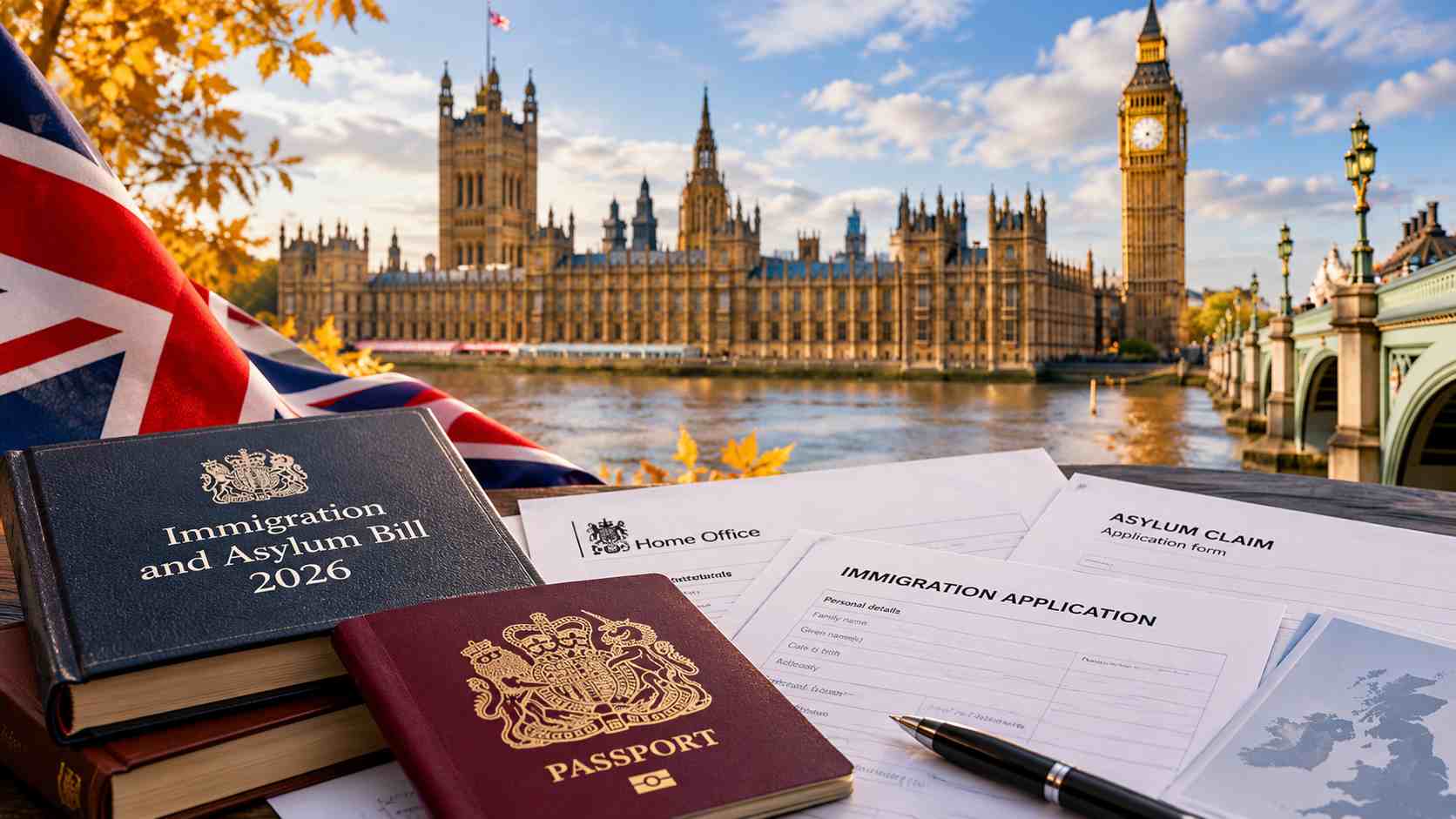
The UK government is proposing significant changes to its immigration and asylum system, with potential consequences for refugee protection, legal appeals and the removal of people who have no right to remain in the country. The proposals are set out in the Immigration and Asylum Bill 2026, introduced to Parliament on June 30.
What Are the Main Changes?
The Home Office published detailed factsheets on October 8, explaining how the bill would reshape several parts of the system.
One major proposal is a single protection status combining refugee status and humanitarian protection. The government says this would simplify decisions and reduce separate appeals over different forms of protection.
The bill would also establish an Independent Immigration Appeals Authority. The proposed body is intended to process appeals more efficiently, with a single appeal route designed to prevent cases from being delayed through claims or evidence submitted in stages.
Changes to Human Rights and Asylum Support
Another part of the bill concerns Article 8 of the European Convention on Human Rights, which protects private and family life. The government proposes changing how these rights are weighed against immigration control, including clarifying how family relationships are considered. It says safeguards would remain for exceptional circumstances.
The proposals also include reforms to the modern slavery framework and a mechanism requiring some asylum seekers receiving publicly funded accommodation and support to contribute towards those costs when they have the financial means.
The Home Office reported that the asylum appeal backlog reached 156,000 in June 2026, with average waits of 65 weeks across appeal categories. These figures help explain the government's stated focus on speeding up decisions, although the impact of the proposed reforms will depend on implementation.
TwikUp’s Perspective
The central test for any asylum reform is whether faster administration can coexist with fair decisions and meaningful protection for people facing serious harm. Efficiency matters, but so do access to legal remedies, careful assessment of individual circumstances and safeguards for vulnerable applicants.
The bill sets out the government's proposed direction, not proof that every measure will achieve its intended result. Parliamentary scrutiny and implementation details will be important in determining how the changes affect applicants, public services and the wider immigration system.