
Key Takeaways
- Timor-Leste is the 33rd country worldwide to receive WHO validation for eliminating trachoma as a public health problem.
- A 2025 survey analyzed 4,949 samples from children aged 1 to 5 across all 13 municipalities and found no evidence of transmission requiring a trachoma-specific public health intervention.
- The achievement means trachoma is no longer considered a public health problem anywhere in the WHO South-East Asia Region.
WHO Validates Timor-Leste's Trachoma Elimination
WHO's validation confirms that Timor-Leste has met the requirements for eliminating trachoma as a public health problem.
Trachoma is an infectious eye disease caused by the bacterium Chlamydia trachomatis. Repeated infections can damage the inner eyelid and cause the eyelashes to turn inward.
In severe cases, this condition can damage the cornea and eventually lead to blindness.
The disease is strongly associated with poverty and inequities in access to water, sanitation, hygiene and health care.
Timor-Leste Went Through Years of Investigation
The WHO validation followed a multi-year process involving field investigations, surveillance and additional studies.
Between 2015 and 2017, investigators examined children on Atauro Island, screened patients attending eye clinics and conducted targeted searches in households across the country.
WHO said these investigations did not find trachoma.
Timor-Leste then continued collecting evidence through additional studies to establish whether transmission remained at a level that could represent a public health concern.
2025 Survey Found No Evidence Requiring Intervention
One of the important pieces of evidence came from a national survey conducted in 2025.
The survey analyzed 4,949 samples from children between 1 and 5 years old. It covered all 13 municipalities of Timor-Leste.
According to WHO, the testing found no evidence of transmission at a level that would require a trachoma-specific public health intervention.
The results contributed to the evidence used for the country's validation.
Trachoma Is a Major Cause of Infectious Blindness
Trachoma is the world's leading infectious cause of blindness and remains endemic in some of the world's most vulnerable communities.
The infection spreads through contact with eye and nasal discharge from infected people.
Repeated infections can cause scarring inside the eyelid. Over time, the eyelashes can turn inward and repeatedly rub against the eye.
This condition, known as trichiasis, can ultimately result in blindness if it is not treated.
Timor-Leste Will Continue Monitoring for Cases
WHO's validation does not mean that Timor-Leste will stop all eye-health activities related to trachoma.
The country will maintain the ability to identify and manage individual cases of trichiasis and other eye conditions through its existing eye-care system.
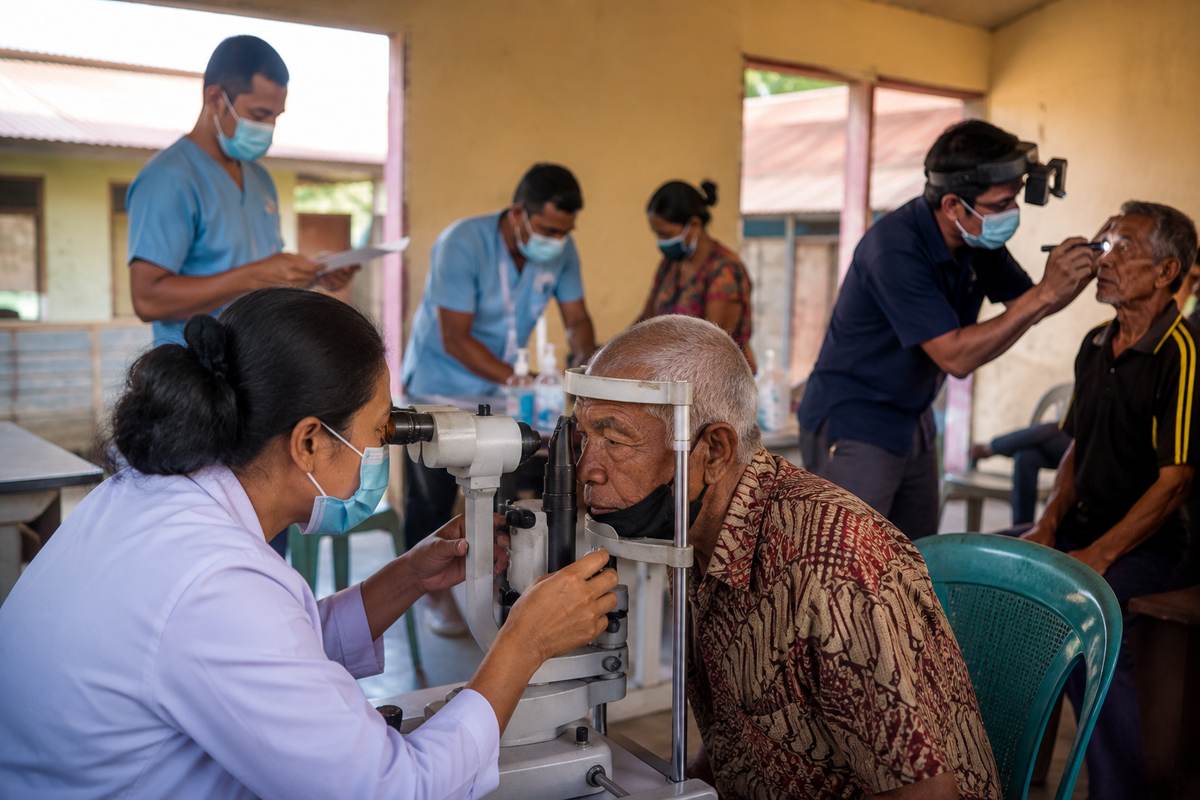
Specialized services, including surgery for trichiasis, are available through the National Eye Centre at Hospital Nacional Guido Valadares in Dili, along with outreach services to municipalities.
Trachoma surveillance will also be incorporated into existing national disease and neglected tropical disease surveillance systems.
Water, Sanitation and Hygiene Remain Important
WHO highlighted the continuing importance of broader public health measures following the elimination milestone.
National programmes in Timor-Leste continue to expand access to safe water, sanitation and hygiene.
These measures are important because trachoma transmission is closely linked to living conditions and access to basic services.
Maintaining improvements in these areas can help protect the gains made against the disease.
Timor-Leste Becomes the 33rd Country to Reach the Milestone
WHO said Timor-Leste is the 33rd country worldwide to have trachoma elimination validated as a public health achievement.
It is also the fourth country in the WHO South-East Asia Region to reach the milestone.
Other countries in the region had either already received validation or had no history of endemic trachoma and therefore did not require validation.
Timor-Leste's achievement completes the regional picture for countries where trachoma had been known or suspected as a public health problem.
India's Trachoma Elimination Was Also Validated
India is among the countries that have previously received WHO validation for eliminating trachoma as a public health problem.
The inclusion of Timor-Leste now means that countries across the WHO South-East Asia Region where trachoma was suspected as a public health problem have reached the relevant elimination milestone.
The achievement adds to broader regional progress against neglected tropical diseases.
Strong Health Systems Played an Important Role
WHO said the achievement demonstrates the value of national leadership, field investigations, surveillance and integrated health services.
Timor-Leste gathered evidence over several years while maintaining the capacity to detect and respond to possible cases.
This approach also allows surveillance activities to be integrated with monitoring for other diseases.
The Achievement Supports WHO's Global Goal
WHO has set a global target of eliminating trachoma as a public health problem worldwide by 2030.
The organization described Timor-Leste's achievement as a significant step toward that goal.
The validation shows that trachoma transmission in Timor-Leste is not at a level requiring a trachoma-specific public health intervention.
What the Achievement Means for Public Health
Timor-Leste's validation shows how sustained surveillance and improvements in health services can produce long-term public health gains.
The country will still need to maintain its ability to detect individual cases and provide appropriate eye care.
Continued attention to water, sanitation, hygiene and health care access will also remain important for protecting the progress that has been made.
What Happens Next
Timor-Leste will continue integrating trachoma surveillance into its national disease and neglected tropical disease monitoring systems.
Eye-care services will remain available for people who develop trichiasis or other eye conditions.
For WHO, the country's achievement provides another example of progress against neglected tropical diseases through sustained national commitment, reliable evidence and integrated health systems.
Bottom Line
WHO has officially validated Timor-Leste's elimination of trachoma as a public health problem.
The milestone follows years of investigation and surveillance, including a 2025 survey covering children across all 13 municipalities.
Timor-Leste is now the 33rd country worldwide and the fourth in the WHO South-East Asia Region to receive this validation.
The country will continue monitoring for cases and maintaining eye-care services while broader efforts on water, sanitation and hygiene support the progress already achieved.