
Key Takeaways
- WHO says the DRC Ebola epidemic has surpassed 6,000 reported cases and reached 3,000 deaths.
- Deaths among people not identified as known contacts suggest undiscovered transmission chains remain active.
- No approved vaccine or specific treatment currently exists for Bundibugyo virus disease.
Three thousand deaths.
More than 6,000 reported cases.
And some of the people dying were never even known to health teams as contacts of an Ebola patient.
That last detail may be the most concerning.
The Ebola epidemic centred in the Democratic Republic of the Congo (DRC) has become the second-largest Ebola epidemic on record — and the World Health Organization says it is moving faster than any Ebola epidemic it has seen before.
But the biggest problem isn't simply how many people have already been infected.
It's how many transmission chains may still be invisible.
Ebola Has Reached a Grim Milestone
WHO Director-General Dr Tedros Adhanom Ghebreyesus said on September 2 that the epidemic had passed 6,000 reported cases the previous day and had now reached 3,000 deaths.
The outbreak affects 60 health zones across six provinces.
Ituri remains the epicentre, accounting for about 85% of cases and 88% of deaths.
Those numbers are already enormous.
But what is happening outside treatment centres may be even more important.
Some People Are Dying Before Health Teams Know They're Connected
WHO says the majority of deaths are still occurring in communities rather than treatment centres.
Many people who die are also not being buried safely.
That matters because Ebola can spread through direct contact with the bodily fluids of an infected person, including through unsafe burial practices involving contact with someone who has died from the disease.
Then comes an even more troubling finding.
Many deaths involve people who weren't on lists of known contacts.
In other words, health teams didn't know those people were connected to an existing Ebola case.
WHO says this means there are transmission chains that haven't yet been discovered.
Until those chains are identified and broken, the epidemic can continue.
Why Is This Outbreak So Difficult to Stop?
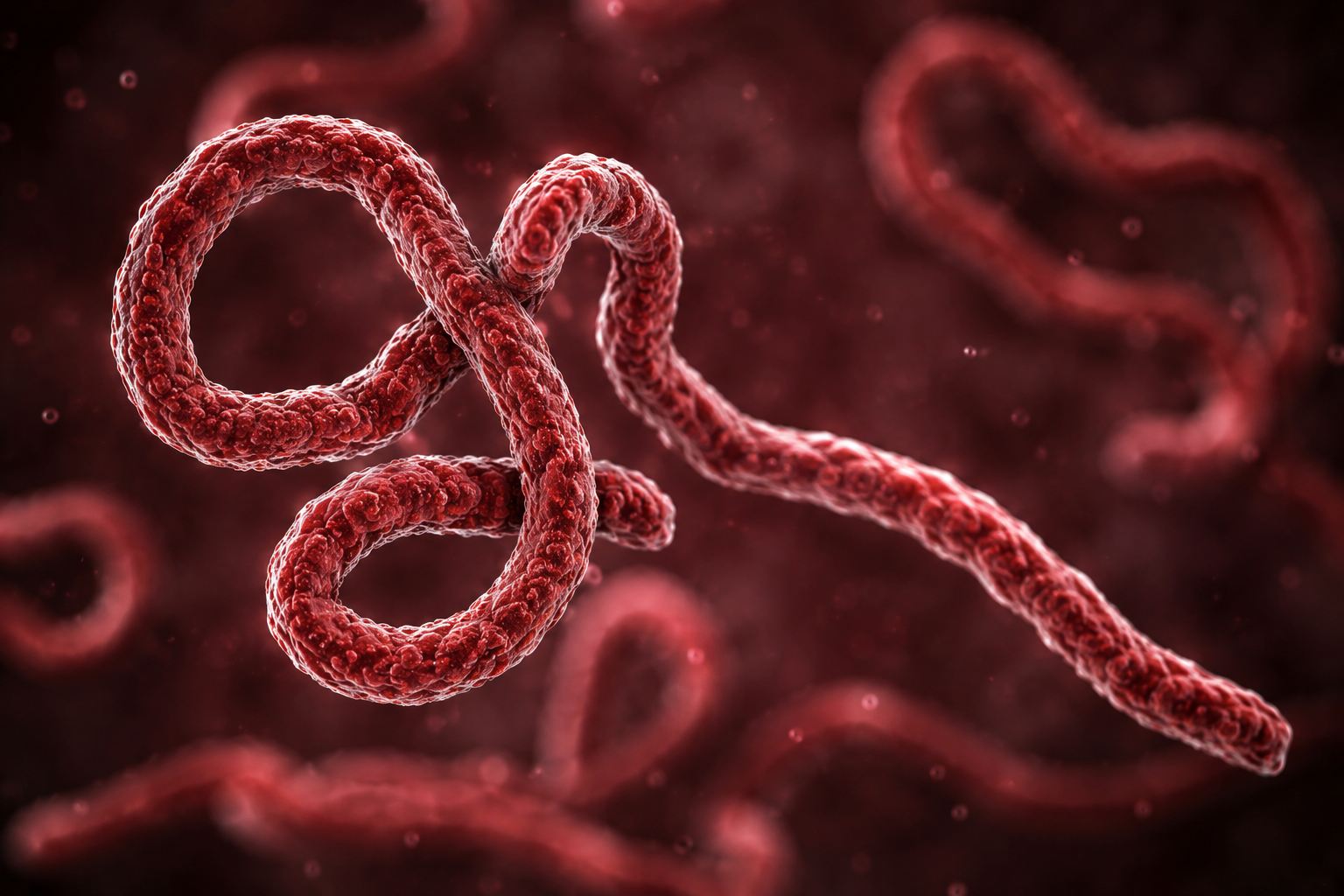
This epidemic is being caused by Bundibugyo virus, one of the viruses capable of causing Ebola disease.
There is currently no approved vaccine or specific treatment for Bundibugyo virus disease.
WHO and its partners are accelerating research while the outbreak continues.
A trial known as PARTNERS has enrolled more than 300 Ebola patients to study potential treatments.
Another trial is testing the antiviral obeldesivir in people considered high-risk contacts to see whether it can prevent disease after exposure.
Two new vaccines targeting Bundibugyo virus are also undergoing safety trials in the United Kingdom and Canada.
There is already an approved vaccine against Zaire ebolavirus, the species responsible for most previous Ebola outbreaks, but WHO says it is not yet known whether that vaccine protects humans against Bundibugyo virus.
Meanwhile, responders are trying to contain the epidemic in areas affected by conflict, displacement, poverty and hunger.
WHO says earning and maintaining community trust is critical.
Stopping Ebola requires much more than treating people who reach hospitals.
Health teams need to detect infections quickly, isolate and care for patients, trace people who may have been exposed and ensure safe burials.
Every case that goes undetected can make stopping transmission more difficult.
Is Ebola Becoming a Global Threat?
The outbreak is serious enough that WHO continues to classify it as a Public Health Emergency of International Concern.
But that does not mean WHO currently considers the threat equally high everywhere.
WHO assesses the risk as very high within the DRC and high for countries sharing land borders with the country.
For the rest of Africa and globally, WHO currently assesses the risk as low.
WHO also advises against restricting travel or trade with affected countries based on the information currently available.
So this isn't a story about Ebola suddenly spreading around the world.
It's about something more immediate: an exceptionally fast-moving epidemic that health teams have not yet fully caught up with.
TwikUp Insight
Perhaps the most important number in this Ebola epidemic isn't 6,000 cases or even 3,000 deaths.
It's the number nobody knows yet:
How many transmission chains are still hidden?
WHO says previous Ebola epidemics have been brought under control.
But every chain of transmission needs to be found and broken.
And right now, the virus is still reaching people the surveillance system didn't know were at risk.
Health Disclaimer
This article is for general informational purposes and is not medical advice. Anyone concerned about possible Ebola exposure, symptoms or travel-related health risks should follow guidance from qualified healthcare professionals and public-health authorities.
Sources
- World Health Organization — WHO Director-General's opening remarks, September 2, 2026
- World Health Organization — Ebola disease caused by Bundibugyo virus, Democratic Republic of the Congo, August 28, 2026
- World Health Organization — Second IHR Emergency Committee meeting on the Bundibugyo Ebola epidemic, August 28, 2026