
Key Takeaways
- Reported global dengue cases rose 34-fold, from about 430,000 in 1990 to 14.7 million in 2024.
- Warming and urbanization are expanding the range of the Aedes aegypti mosquito; about 4 billion people are now exposed to mosquito-borne illnesses.
- In a Brazilian trial, Wolbachia mosquito releases cut children's infection likelihood by 68%.
From 430,000 cases to 14.7 million
In 1990, the world reported about 430,000 cases of dengue. In 2024, it reported 14.7 million — a 34-fold increase in 34 years, according to an analysis presented this week at the annual meeting of the American Society of Tropical Medicine and Hygiene. An estimated 4 billion people are now exposed to dengue and other mosquito-borne illnesses.
What is driving it
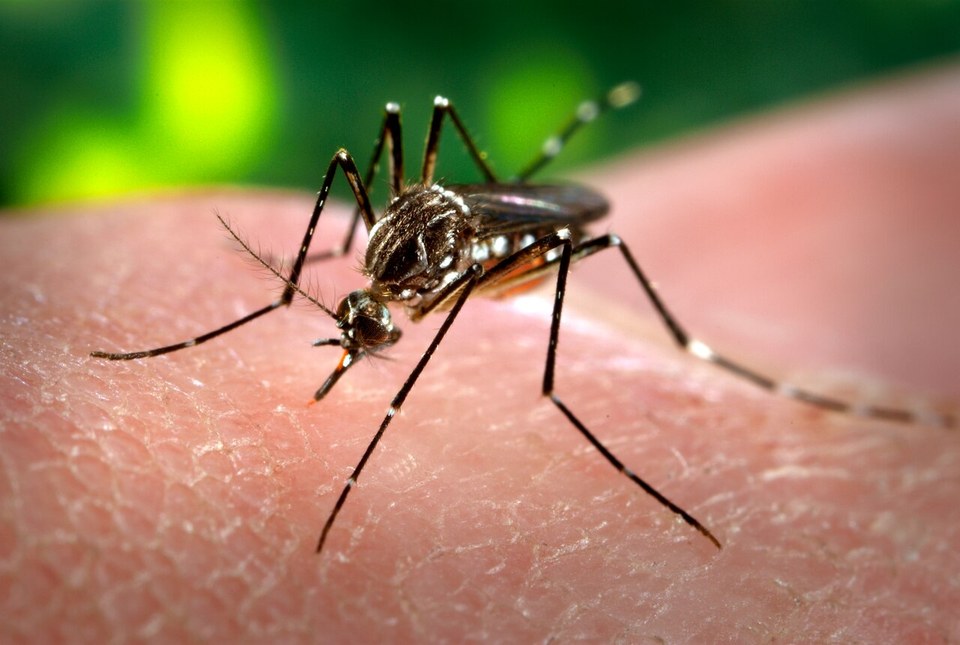
The researchers point to two forces working together: global warming and rapid urbanization, which are expanding the range of Aedes aegypti, the mosquito that spreads dengue. As the insect colonizes new territory — and thrives in the dense, water-storing environments of growing cities — the disease follows. Vaccines exist but offer imperfect protection, leaving mosquito control as the main line of defence.
There is at least one bright spot in the research. In a randomized trial in Brazil, neighbourhoods where Wolbachia-carrying mosquitoes were released saw children 68% less likely to be infected — evidence that biological control can work where spraying and clean-up campaigns have struggled to keep pace.
The honest caveat
The analysis has been posted as a preprint and presented at a conference; it has not yet completed peer review, and reported-case counts partly reflect better detection and reporting than existed in 1990. Even accounting for that, the direction is not in dispute among specialists: dengue's map is expanding, its season is lengthening, and health systems in newly affected regions are meeting a disease their infrastructure was never built for.
Health note
Dengue is not transmitted person to person — it requires the bite of an infected mosquito, and the vector species is not established in Canada. The practical relevance for Canadians is travel: dengue is now common across much of the tropics and subtropics, so travellers should use repellent, cover up at dawn and dusk, and treat any high fever during or after a trip as a reason to seek care and mention the travel history.
The Twikup Take
A 34-fold rise is what a slow emergency looks like from inside it — too gradual for any single year to feel like a crisis, too relentless to ignore across a generation. Dengue's spread is a climate story told in hospital admissions, and the map it is drawing does not stop at the tropics' old borders.
Image: Aedes aegypti mosquito feeding by James Gathany / CDC, public domain.