
Key Takeaways
- Prime Minister Mark Carney and Alberta Premier Danielle Smith were scheduled to appear together in Fort McMurray on October 1 for the next step on a major infrastructure project.
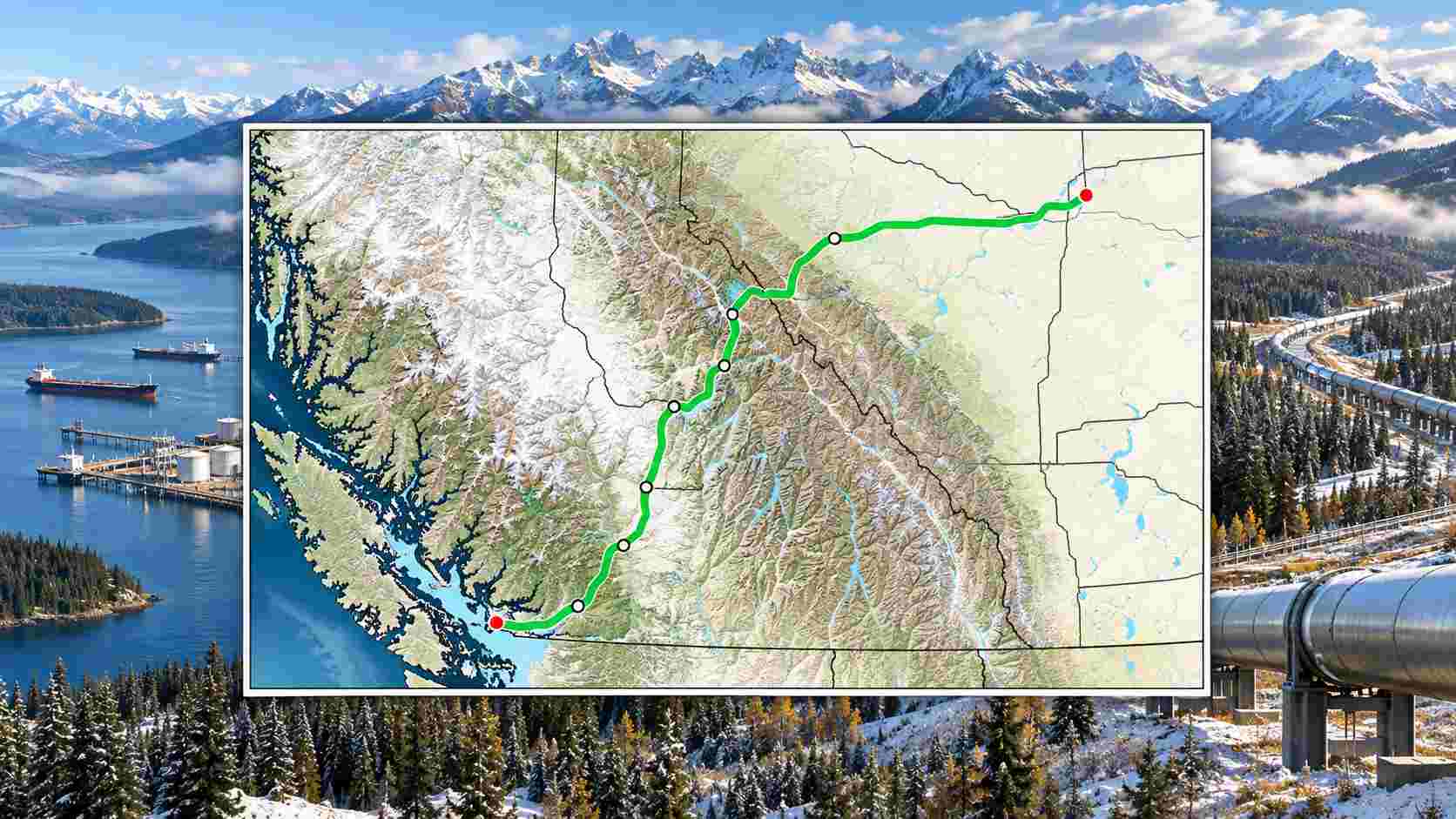
- The proposed West Coast Oil Pipeline would connect the Bruderheim area of Alberta with the Robert Banks area in British Columbia and falls within the federal Major Projects Office’s energy portfolio.
- Canada began the process of considering the pipeline for national-interest designation under the Building Canada Act, with consultation requirements involving Indigenous communities and governments.
Canada West Coast Oil Pipeline: Carney and Smith Set for October 1 Announcement
Prime Minister Mark Carney and Alberta Premier Danielle Smith are scheduled to appear in Fort McMurray on October 1 for an announcement concerning the next step in accelerating a major infrastructure project. The Prime Minister’s Office said the event would begin at 9:00 a.m. local time.
The PMO advisory did not identify the project by name. However, the federal Major Projects Office identifies the West Coast Oil Pipeline as a major energy project located between the Bruderheim area of Alberta and the Robert Banks area of British Columbia.
West Coast Oil Pipeline Moves Through Federal Review
The proposed pipeline was formally referred to the Major Projects Office on July 2, 2026. The federal government began consultations with Indigenous communities, provincial governments and relevant federal permitting departments as part of the process for considering whether the project should be listed as a project of national interest under the Building Canada Act.
The Major Projects Office says Canada intends to provide notice in the Canada Gazette by October 1 if it plans to list the project. That process is separate from construction approval and remains subject to consultation and other requirements.
Proposed Route and Export Infrastructure
According to federal project information, the proposed pipeline would begin near Bruderheim, Alberta, where crude oil from different pipelines would be collected, measured, stored and transferred into the new system.
The proposed corridor would then move west toward a marine terminal in southern British Columbia. The federal government says the proposed route would essentially follow the existing Trans Mountain route.
The project is designed to improve access to global markets through Canada's west coast. The federal government previously said the proposed pipeline would transport approximately one million barrels of oil per day toward export markets.
Economic and Infrastructure Considerations
The federal government has presented the pipeline as part of a broader effort to expand Canadian energy infrastructure and diversify export access.
Government estimates released in July said the project could support economic activity, investment and employment. The government also said employment impacts from direct and indirect effects could reach approximately 140,000 jobs at the height of construction.
These figures are government estimates rather than confirmed employment outcomes. Actual economic effects would depend on project development, investment decisions, construction activity and eventual operations.
Indigenous Consultation Remains Part of the Process
The proposed designation also involves Canada's legal and consultation responsibilities toward Indigenous Peoples.
The Major Projects Office states that consultations with potentially affected Indigenous communities are part of the process before a decision is made on national-interest listing. Canada also says consultation outcomes will inform the government's decision.
The federal government has said Canada and Alberta will continue working with British Columbia as the project process advances.
TwikUp's Perspective
The October 1 announcement is significant because it represents a procedural milestone for a proposed energy corridor that could affect Canada's export infrastructure for decades.
However, an announcement about the next step should not automatically be treated as final construction approval. The project still involves regulatory requirements, consultation obligations and further decisions before construction can proceed.
For readers tracking Canada's energy strategy, the key issue is therefore not only whether the pipeline receives national-interest designation, but what conditions, timelines and regulatory steps follow from that designation.
What Happens Next
The Major Projects Office will remain responsible for coordinating the federal process surrounding the proposed pipeline. Any future development will depend on the outcome of consultations, government decisions and the requirements attached to the project's assessment.
The October 1 announcement is expected to provide greater clarity on the government's next step and how the proposed West Coast Oil Pipeline will proceed through Canada's major-project framework.