
Key Takeaways
- Canada's final canned-vegetable safeguard is a tariff rate quota: 13 million kg enter without the new tariff yearly; above-quota imports face 50%.
- The measure runs December 1, 2026 to June 17, 2029, replacing the provisional 10% surtax and loosening over time.
- It follows the trade tribunal's finding of serious injury to Canadian canned vegetable producers; frozen vegetables were excluded.
A quota, a 50% tariff, and three years of shelter
Canada is making its protection for domestic canned vegetable producers permanent-form: a tariff rate quota announced Wednesday by Finance Minister François-Philippe Champagne. The first 13 million kilograms of covered canned vegetables enter each year without the new tariff; imports above the quota face a 50% tariff. The measure takes effect December 1, 2026 and runs to June 17, 2029, gradually loosening — the quota rises to just over 13.5 million kilograms while the above-quota tariff falls to 40%.
It replaces the provisional 10% surtax imposed in June, and it follows a Canadian International Trade Tribunal inquiry — ordered in March — that found increased imports were causing serious injury to Canadian canned vegetable producers. The tribunal found no injury for frozen vegetables, which are not covered. The tariff applies to imports from all countries except Mexico, Chile, Israel, Colombia, Korea, Panama, Peru and developing countries, with portions of the quota set aside for the United States, the European Union and Thailand. Ottawa is also directing the tribunal to open a product exclusion process by February 1, 2027, for goods with no domestic source of supply.
"Canadian producers and workers must have the opportunity to compete in a rapidly evolving global trade environment," Champagne said, adding the measure addresses "the harm facing our canned vegetable industry, while protecting Canada's food security."
The Twikup Take
Safeguards are the trade system's emergency brake — legal, temporary, and meant to give an injured industry time to adjust rather than a permanent wall. The three-year clock and the shrinking tariff are the tell: Ottawa is buying the canneries time, not promising them forever.
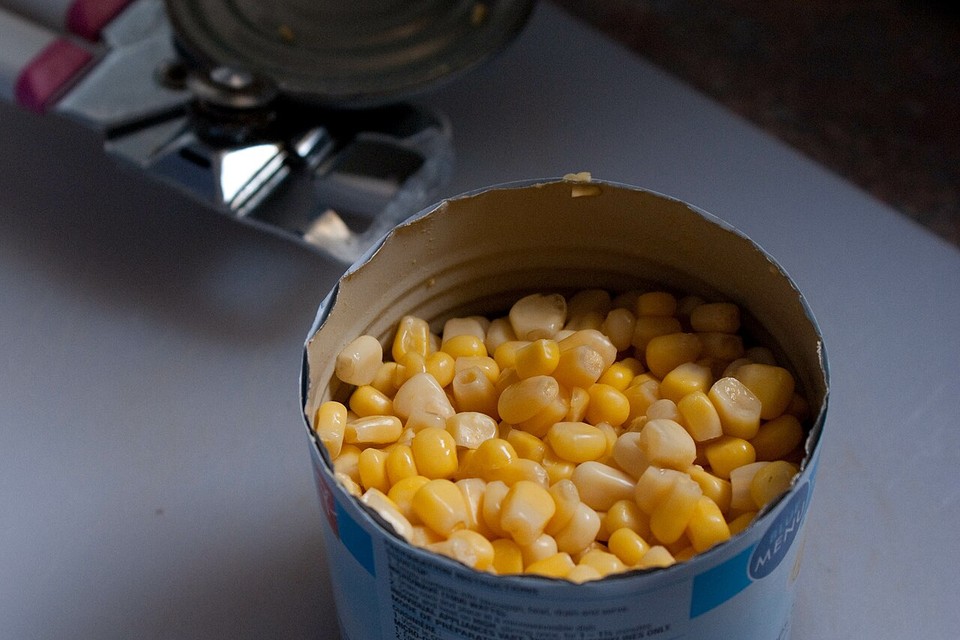
Image: Canned corn by Gwen, CC BY 2.0.