
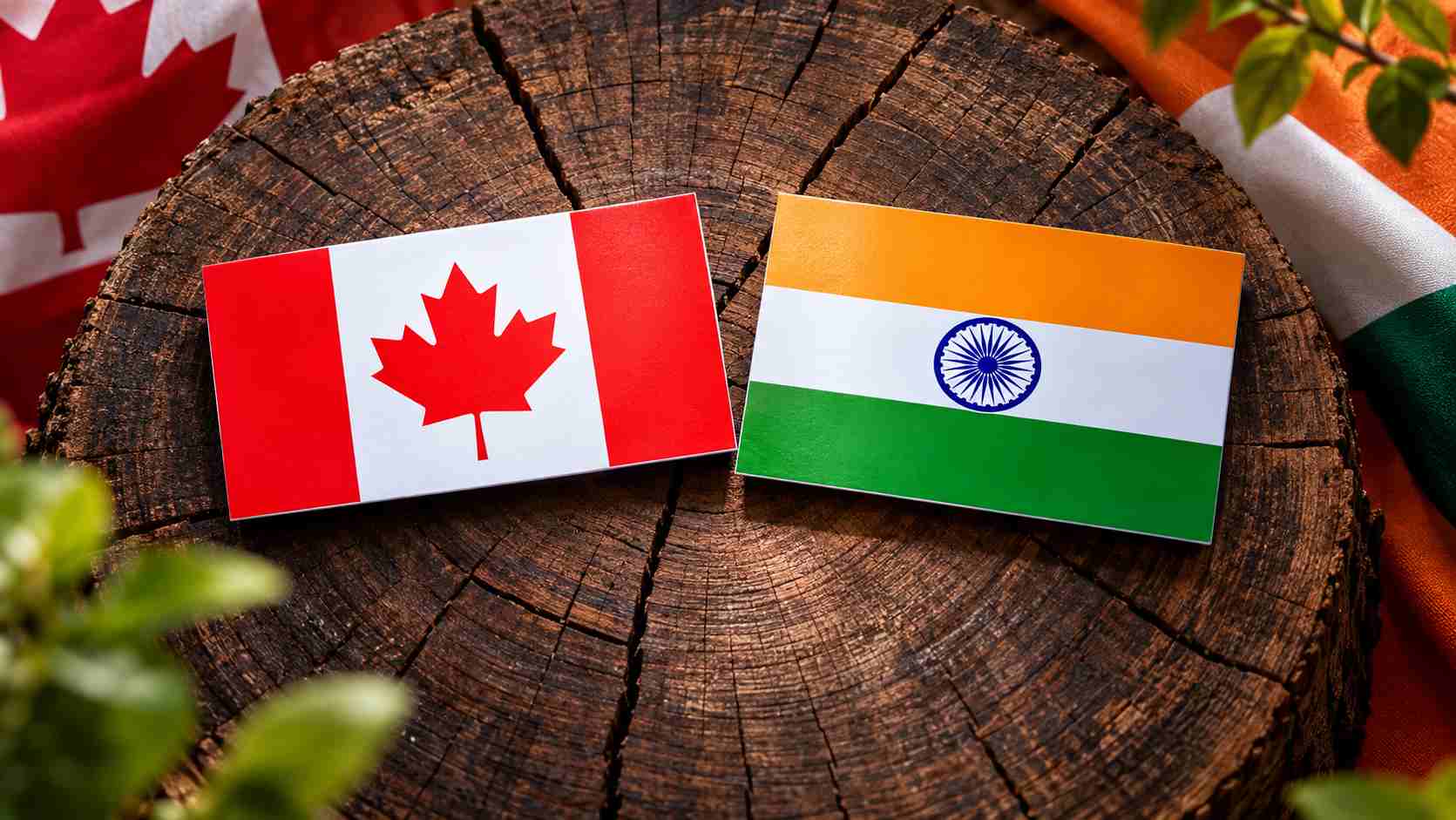
Canada-India CEPA Talks Move Forward
According to Global Affairs Canada, Sidhu will meet with India’s Minister of Commerce and Industry, Piyush Goyal, government officials and business representatives during his Mumbai visit.
The discussions are focused on bilateral trade and investment relations and advancing negotiations toward a Canada-India Comprehensive Economic Partnership Agreement.
Three rounds of negotiations have already been completed.
A fourth round of negotiations is taking place this week, marking another step in the countries’ effort to reach an agreement by the end of 2026.
Canada Targets $70 Billion in Annual Trade
Canada is also setting a longer-term trade target with India.
The Canadian government says it wants to double two-way trade with India to $70 billion annually by 2030.
The target is part of Canada’s broader effort to increase exports to markets outside the United States over the next decade.
India is included in that diversification strategy.
Current Canada-India Trade
The two countries already have substantial two-way trade.
Global Affairs Canada reports that two-way trade in goods and services between Canada and India totalled $30.4 billion in 2025.
Of that amount, $13.6 billion was merchandise trade.
The proposed CEPA remains under negotiation as the countries seek to advance their trade and investment relationship.
Why the CEPA Matters
For Canada and India, the ongoing negotiations are part of efforts to strengthen bilateral commercial relations.
The Canadian government is also advancing trade-agreement negotiations with other fast-growing economies and regions, including ASEAN and the Philippines.
During his trip, Minister Sidhu is also scheduled to participate in the ASEAN Economic Ministers-Canada Consultation in Manila on September 21 and 22.
Canada Looks Beyond the U.S.
The Canada-India negotiations are taking place within a wider Canadian strategy to diversify international trade.
Global Affairs Canada says Canada is looking to double exports to markets beyond the United States over the next decade.
India is included in that strategy, alongside ASEAN and the Philippines, which the government describes as among the world’s fastest-growing economies.
Canada says agreements with India, ASEAN and the Philippines would expand its preferential access from a market of approximately 1.5 billion consumers to about 3 billion.
Business Engagement in Mumbai
The Canadian trade minister’s Mumbai visit also includes business outreach.
Sidhu is scheduled to meet with government and business leaders to strengthen trade relationships and attract new investment to Canada.
The government says these engagements are intended to advance Canada’s trade objectives in the region alongside the formal negotiations.
What Happens Next?
The fourth round of Canada-India CEPA negotiations is taking place this week.
Both countries have expressed a shared objective of completing negotiations by the end of 2026.
However, the agreement has not yet been concluded.
Further negotiations will determine the final terms and scope of any eventual Canada-India CEPA.
For now, the latest talks represent another step in the effort to expand bilateral trade and investment and build stronger commercial links between the two countries.
Bottom Line
Canada and India are continuing negotiations toward a comprehensive economic partnership agreement, with three rounds completed and a fourth round taking place this week.
The two countries have set a shared goal of concluding the negotiations by the end of 2026.
Canada is also targeting $70 billion in annual two-way trade with India by 2030, highlighting the country’s growing importance in Canada’s strategy to diversify trade beyond the United States.