
Key Takeaways
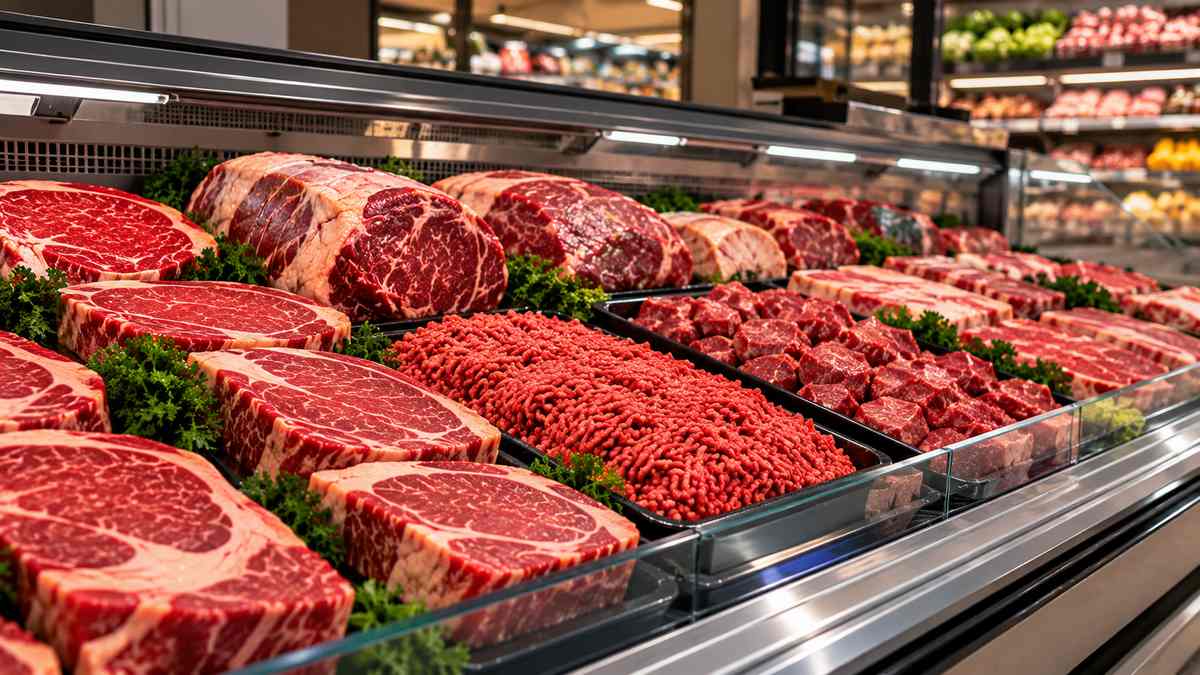
- Statistics Canada reported that fresh or frozen beef prices rose 13.9% year over year in February 2026.
- Official livestock data reported lower cattle and calf slaughter during the first half of 2026, alongside record-high feeder and slaughter cattle prices.
- The claim that Canadian retail beef prices rose 62% over five years has not been independently verified using the cited official sources.
Canadian Beef Prices Rise as Tight Cattle Supplies Add Pressure to Grocery Budgets
Beef is becoming a more expensive choice for Canadian households, putting another squeeze on grocery budgets already under pressure. Official data points to rising retail prices and tighter cattle supplies, although the exact five-year increase circulating online remains unverified.
What Official Price Data Shows
Statistics Canada's Food Price Data Hub tracks changes in food prices across the country. Its February 2026 reporting showed fresh or frozen beef prices rising 13.9% compared with February 2025. That year-over-year figure illustrates the pressure consumers faced, but it should not be confused with a cumulative five-year increase.
The distinction matters because a monthly or annual price change measures a different period from a claim covering five years. The widely shared assertion that Canadian beef prices climbed 62% over that longer period needs a consistent official price series and clearly defined comparison dates before it can be reported as fact.
Cattle Supply Adds Pressure
Statistics Canada's livestock reporting provides another piece of the picture. Cattle and calf slaughter declined 4.6% during the first half of 2026 compared with the same period in 2025. The report also noted record-high feeder and slaughter cattle prices during that half-year.
Lower slaughter volumes and higher livestock prices can contribute to pressure along the beef supply chain. However, retail prices are also influenced by processing, transportation, labour, retailer costs and consumer demand. The available figures do not establish that one factor alone explains the price changes shoppers see.
TwikUp's Perspective
For families trying to manage food spending, the practical question is how to keep meals affordable without sacrificing nutritional variety. Comparing prices per kilogram, checking weekly promotions, choosing different cuts and freezing portions when suitable may help households stretch their budgets.
The bigger issue is transparency. Viral inflation figures can attract attention, but readers need comparable dates and official data to understand how much prices have actually changed. Statistics Canada and Agriculture and Agri-Food Canada provide resources for tracking food and livestock markets.
Until a five-year retail comparison confirms the 62% claim, the responsible conclusion is that beef prices have faced documented upward pressure, while the precise long-term increase still needs verification.