
Key Takeaways
- Grocery prices rose 1.7% year over year in September, down from 2.8% in August.
- Grocery prices remained 33% higher than in September 2020, despite slower inflation.
- Fresh vegetables and sugar and confectionery became cheaper year over year, while beef prices remained elevated.
The slowest grocery inflation since May 2024
Food purchased from stores rose 1.7% year over year in September 2026, down from 2.8% in August and the lowest rate since May 2024, according to Loblaw's October Food Inflation Report, released October 26 and built on Statistics Canada's September consumer price index data.
The relief at the grocery till contrasts with the headline number: overall inflation climbed to 3.1%, driven by gasoline prices up 27.8% year over year.
What got cheaper — and what didn't
Fresh vegetables fell 2.9% year over year and sugar and confectionery dropped 2.7%, among the categories now declining outright. Beef prices are still 8.7% higher than a year ago, though Loblaw notes the pace of increase there has slowed.
The catch: even as inflation cools, the level of prices has not come back down. Grocery prices remain roughly 33% higher than they were in September 2020.
Loblaw says it is fighting suppliers on price hikes
This month's report focuses on pressures building inside the supply chain — rising freight costs, commodity volatility and new tariffs — and on the growing size of cost-increase requests from suppliers. Loblaw says it has successfully pushed back on hundreds of millions of dollars in proposed supplier cost increases so far this year.
The report also traces how seasonality, weather and transportation shape shelf prices, following fresh strawberries from farm to store as its example.
The Twikup Take
A 1.7% inflation rate is genuinely good news — but it means prices are still rising on top of a 33% five-year climb, not falling back. For most families, the grocery bill still feels like the emergency; it is just no longer getting worse as fast.
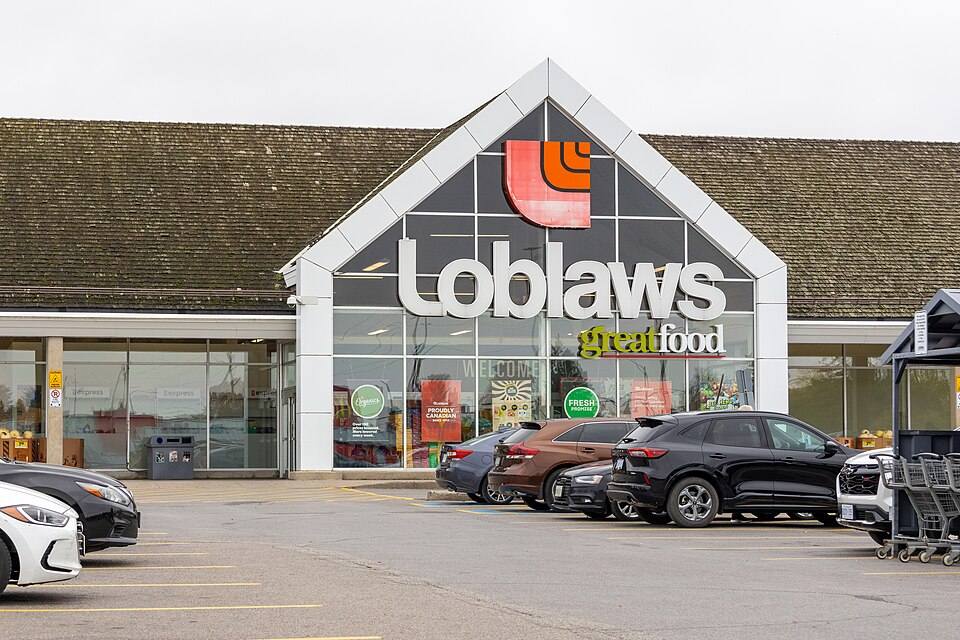
Photo: Dillan Payne / Wikimedia Commons (CC BY-SA 4.0) — Front of a Loblaws store in Bowmanville, ON.