
Key Takeaways
- Canada's 2024 approval of Cleveland-Cliffs' Stelco acquisition included binding employment commitments.
- Cleveland-Cliffs announced plans to indefinitely idle galvanizing lines at Hamilton Works, citing weak demand for galvanized steel.
- The reported October 22 deadline for reversing planned job cuts requires confirmation from an official government notice before publication.
Canada's Steel Industry Faces Growing Employment Uncertainty
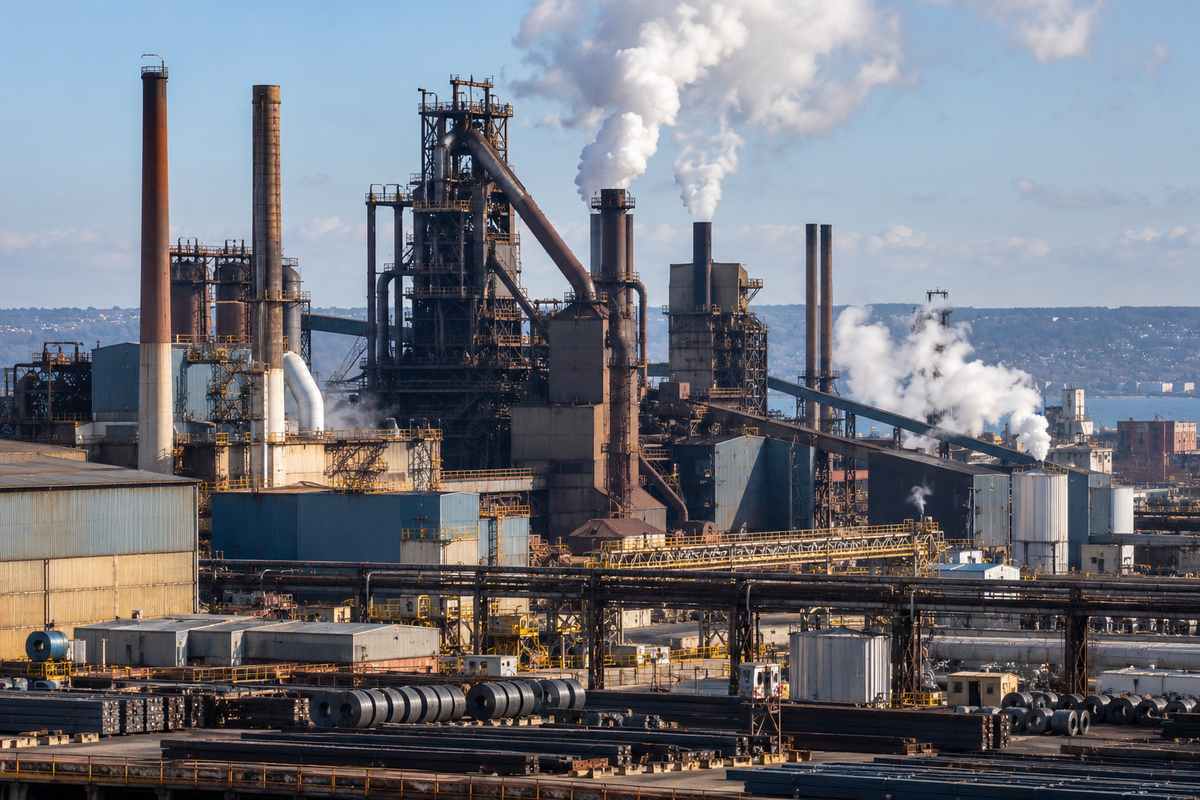
Canada's steel industry is facing renewed questions about job security after Cleveland-Cliffs announced changes to operations at its Stelco facility in Hamilton, Ontario. The situation puts a spotlight on employment commitments attached to the company's acquisition of the Canadian steelmaker and the challenges facing domestic manufacturing.
What Canada's Acquisition Agreement Requires
On October 30, 2024, the Canadian government approved Cleveland-Cliffs' acquisition of Stelco under the Investment Canada Act, subject to binding five-year commitments. According to the federal government's statement, these included maintaining Stelco's Hamilton headquarters and preserving at least the existing number of unionized employees, along with the vast majority of non-unionized employees.
The commitments are important because they established specific employment and operational expectations when ownership changed. Their application depends on the agreement's terms and the facts surrounding any proposed workforce changes.
Cleveland-Cliffs Changes Hamilton Operations
In its third-quarter 2026 results, Cleveland-Cliffs said it had decided to indefinitely idle the galvanizing lines at Hamilton Works, citing weak demand for galvanized steel. The company stated that affected employees would return when market conditions improved and that total production tonnage would be maintained.
Idling production lines does not automatically establish that the company has breached its acquisition commitments. Assessing compliance requires examining the exact terms of those commitments and how any employment changes affect them.
A Reuters report dated October 22 said Industry Minister Mélanie Joly had given the company 15 days to reverse planned job cuts, with possible sanctions if it failed to comply. However, a matching official government letter or announcement confirming that deadline has not been independently verified here.
TwikUp's Perspective
The dispute illustrates the difficult balance between attracting industrial investment and protecting jobs after a major acquisition. Employment commitments can provide safeguards, but their practical value depends on clear obligations, transparent reporting and credible enforcement.
Steel demand also matters. Weak demand for particular products can encourage manufacturers to reduce production, while workers and communities face uncertainty about future employment. Understanding the distinction between temporarily idled equipment, permanent closures and actual job losses is essential to assessing the situation fairly.
The next important development is an official clarification from the Canadian government on the reported deadline and any enforcement steps. Until that documentation is available, the confirmed acquisition commitments and the company's announced operational changes provide the clearest basis for understanding the dispute.