
Key Takeaways
- The CRA can issue a bank garnishment document for qualifying tax debts without first obtaining an ordinary court order.
- The CRA generally gives verbal and written legal warnings before collection action, but specific exceptions apply.
- Contacting the CRA early to discuss an affordable payment arrangement may help address unpaid tax debt before enforcement escalates.
Can the CRA Garnish Your Bank Account in Canada?
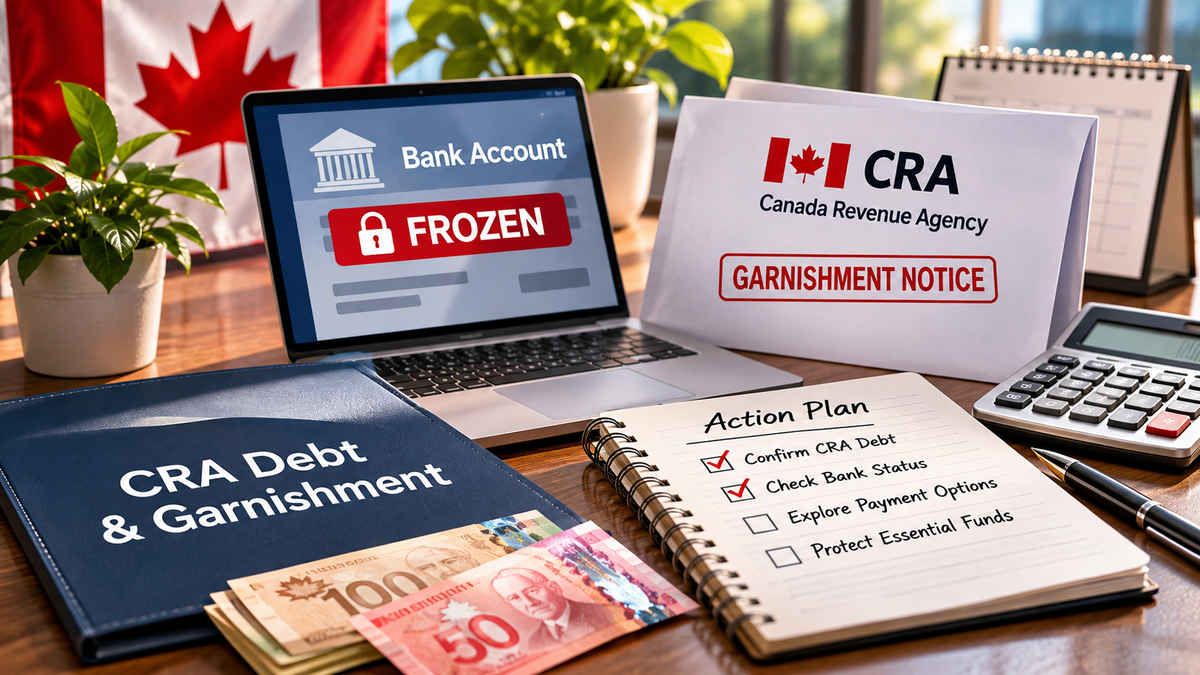
Yes. The Canada Revenue Agency (CRA) can legally direct a bank or other financial institution to send money from your account toward an outstanding tax debt. This process is known as bank account garnishment.
The CRA generally uses a legal document called a Requirement to Pay (RTP). Once the financial institution receives a valid requirement, it must follow the instructions and remit the specified funds to the government.
The important distinction is that the CRA does not need an ordinary court order for many garnishments involving tax debts. However, this does not mean it can take money without following a legal collection process.
Can the CRA Take Money Without Warning?
The headline question needs a little context. For many personal tax debts, the CRA generally attempts to provide a verbal legal warning and sends a written legal warning before starting legal action.
According to its collection guidance, the CRA may proceed when a taxpayer has not confirmed a payment arrangement or has failed to maintain agreed payments.
There are exceptions. For example, certain business payroll deduction and GST/HST remittance debts can be subject to collection action under different notice rules. The CRA can also seek a court order for immediate action in specific jeopardy situations where it believes collection is at risk.
The CRA says it sends taxpayers a copy of garnishment requests related to their debts. Therefore, not receiving a separate warning from your bank does not necessarily mean the collection process was unauthorized.
What Is a CRA Requirement to Pay Notice?
A Requirement to Pay is a legal instruction sent to a third party that owes money to you or holds money on your behalf. For bank account garnishment, the third party is usually your financial institution. The CRA directs the institution to send some or all of the specified funds toward your outstanding government debt.
The Income Tax Act, particularly section 224, provides the legal authority for qualifying tax-debt garnishments.
The document can identify the maximum amount to be collected and the period during which the instruction remains effective. Depending on its terms, the CRA may collect funds already held or amounts that become payable during the specified period.
What Money Can the CRA Take?
A CRA garnishment can apply to more than ordinary savings in a chequing account. Depending on the legal document and circumstances, the CRA may seek:
- Money held in bank accounts or other financial institutions
- Salary, wages, commissions and bonuses
- Certain investment proceeds, including interest and dividends
- Accounts receivable and other payments owed to you
- Certain insurance claim proceeds
The CRA can also redirect certain federal government payments through a separate set-off process. This may include eligible tax refunds, GST/HST credits and certain CPP or OAS payments.
A set-off is not the same procedure as a bank account garnishment. It redirects money the government owes you toward an outstanding balance.
What Should You Do If the CRA Freezes Your Bank Account?
If your bank tells you that your account has been restricted because of CRA collection action, avoid guessing about the reason. Start by asking the financial institution what legal document it received and which funds are affected.
Then take these steps:
- Check your CRA account: Review your balance, notices of assessment and collection correspondence.
- Confirm the garnishment details: Identify the amount, legal document, issuing office and any relevant dates.
- Contact the CRA: Speak with the collections officer or use the contact details on the official notice.
- Explain your financial circumstances: If the garnishment affects money needed for essential expenses, explain the hardship and ask what options are available.
- Get professional advice if necessary: A tax lawyer or qualified insolvency professional can help assess disputes, exemptions and urgent legal options.
Do not ignore the notice or assume that transferring money to another account will resolve the issue. The legal consequences can become more complicated if you attempt to avoid a valid collection instruction.
Can You Stop CRA Bank Garnishment With a Payment Arrangement?
You can contact the CRA to request an arrangement that allows you to repay an outstanding balance over time.
The CRA may ask about your income, household expenses, assets and ability to pay. Its online services also allow eligible taxpayers to schedule payments through a pre-authorized debit agreement.
However, requesting an arrangement does not automatically cancel an existing garnishment. The CRA may continue certain collection actions, including applying eligible refunds or government credits to the balance, even when regular payments are being made.
If a garnishment has already been issued, speak directly with the collections officer and ask whether the action can be withdrawn or changed. Do not assume it has stopped until the CRA confirms this in writing.
How Is CRA Garnishment Different From Private Debt Collection?
CRA collection powers are different from those available to an ordinary private creditor or collection agency. A private creditor generally needs to follow provincial or territorial court enforcement procedures before garnishing a bank account for an unsecured debt. The CRA has specific statutory collection powers under federal legislation that can allow it to issue a Requirement to Pay without an ordinary court order.
TwikUp's Perspective
Losing a job can create immediate financial pressure, especially when regular income stops but household expenses and debt payments continue. A severance payment can provide temporary support, but the amount you actually receive may be lower than the gross figure in your employment agreement because of income tax withholding.
Before deciding how to use that money, understand how severance is classified, what deductions apply and whether an RRSP transfer could help defer some tax. Read our guide on Severance Pay Tax in Canada: How Much Will You Keep After Tax? to understand the tax treatment and estimate your potential take-home amount.
How Can You Reduce the Risk of Future CRA Collection Action?
Keep tax returns current, review notices promptly and contact the CRA if you cannot pay a balance by its due date. If you have an existing payment arrangement, make the agreed payments and communicate before missing one.
Keep copies of assessments, payment confirmations, correspondence and financial records. If the debt is substantial or your financial situation has become unmanageable, consider speaking with a qualified tax professional or Licensed Insolvency Trustee about the available options.
Disclaimer
This article provides general educational information about Canadian tax collection procedures. CRA collection powers, legal exceptions and taxpayer rights depend on the type of debt and individual circumstances. It is not legal or tax advice. Confirm your situation directly with the CRA or a qualified professional.