
Canada’s Inflation Rate Holds at 3%
The Consumer Price Index measures how prices for a broad basket of goods and services change over time. In August, Canada’s annual inflation rate was 3.0%.
The reading matters because higher inflation can reduce household purchasing power and make everyday expenses more difficult to manage.
For consumers, the most important question is not simply whether inflation is rising, but whether higher prices continue to spread across different parts of the economy.
Why the August Inflation Reading Matters
Inflation affects almost every part of the economy.
When prices rise faster, households may have less money available for discretionary spending. Businesses can also face higher costs for materials, transportation, energy and other inputs.
For borrowers and savers, inflation is particularly important because it influences expectations around interest rates.
A persistent increase in inflation can make it harder for a central bank to reduce borrowing costs, while weaker inflation can give policymakers more room to support economic activity.
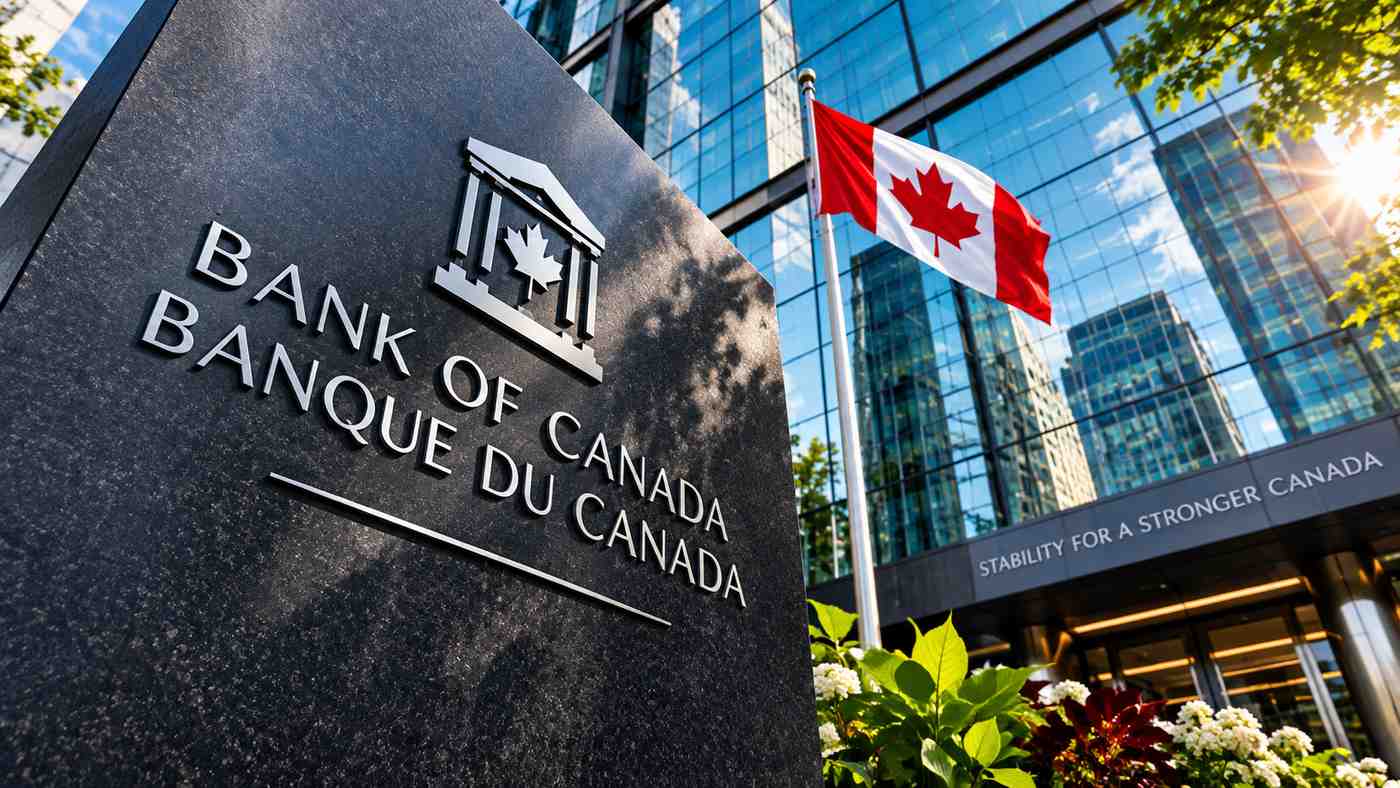
Bank of Canada Holds Interest Rate at 2.25%
The Bank of Canada held its policy interest rate at 2.25% at its September 2 decision.
The Bank said inflation had been hovering around 3% in recent months, mainly because of persistently higher gasoline prices. It also highlighted risks from elevated energy prices and new U.S. tariffs and Canadian counter-tariffs.
The central bank said these factors will raise costs for some businesses and could feed into consumer prices over time.
Energy Prices Remain an Important Inflation Risk
Energy prices are an important factor in Canada’s inflation outlook.
Higher oil prices can increase the cost of gasoline and other energy products. Those increases can also affect transportation and operating costs for businesses.
The Bank said that the longer high oil prices and elevated refinery margins persist, the greater the risk that they will spill over into the prices of other goods and services.
That distinction is important because a temporary increase in energy prices is different from broad-based inflation that continues across many categories.
What Higher Inflation Means for Canadians
A 3% inflation rate means that the overall price level measured by the CPI is higher than it was a year earlier.
For households, the impact depends heavily on spending patterns. Someone who spends a larger share of their income on food, transportation or housing may experience a different personal inflation rate from the national CPI.
This is why official inflation data provides a broad economic picture rather than describing exactly how every household's expenses have changed.
Interest Rates Could Remain a Major Focus
The latest inflation data will remain important for Canada's interest-rate outlook.
The Bank of Canada held its policy rate at 2.25% on September 2. At that meeting, policymakers said upside risks to inflation had increased while new tariffs were making the growth outlook more uncertain.
The Bank has also said it is prepared to adjust monetary policy as needed depending on how the economy and inflation develop.
Businesses Are Also Watching Inflation
Canadian businesses have to balance higher operating costs with consumer demand.
If input costs increase, companies may raise prices to protect margins. But if consumers become more cautious because of higher living costs, businesses may find it harder to pass those increases through to customers.
The Bank said new U.S. tariffs and Canadian counter-tariffs will raise costs for some businesses and could feed into consumer prices over time.
What Happens Next?
The next major question is whether inflation remains around 3% or begins to ease.
Future inflation readings will help determine whether the August reading represents a temporary pattern or part of a more persistent trend.
Energy prices, trade measures, consumer spending and broader economic growth will remain important factors to watch.
For Canadians, the inflation story ultimately comes down to purchasing power. If prices continue rising faster than incomes, household budgets can remain under pressure even if the economy continues to grow.
TwikUp Insight
Canada's latest inflation reading keeps prices and interest rates at the centre of the economic conversation.
With inflation at 3.0% and the Bank of Canada's policy rate at 2.25%, the next few inflation reports will be closely watched by households, businesses and financial markets.
The key question now is whether price pressures begin easing or remain elevated for longer.