
Key Takeaways
- The federal fuel tax suspension remains in effect until January 31, 2027.
- From February 1 to March 31, 2027, federal fuel excise taxes return at half their usual rates.
- Full federal fuel excise tax rates return on April 1, 2027.
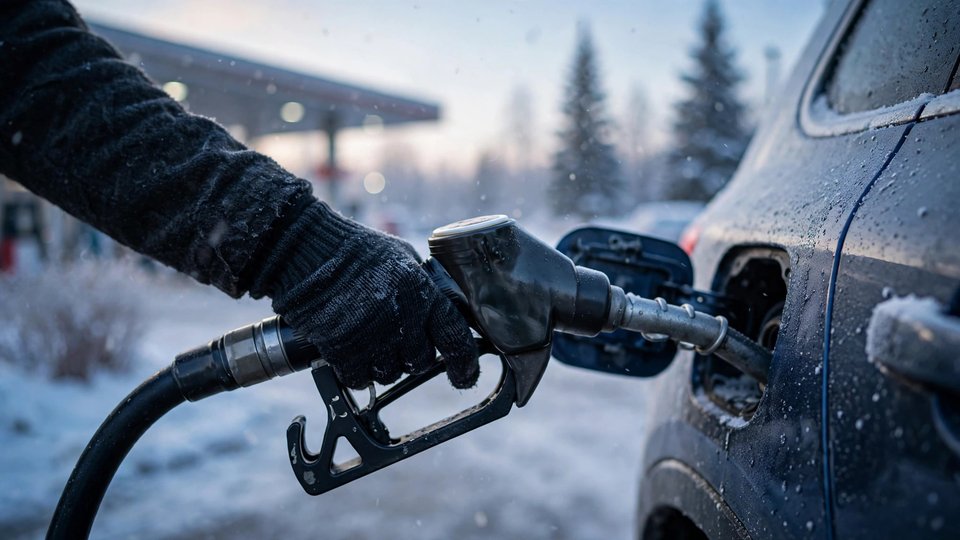
You're standing at the gas pump, watching the numbers climb.
Fifty litres later, you've spent another chunk of your weekly budget. But there's one charge Ottawa isn't adding to your bill — at least not yet.
And that break just got a little longer.
On October 29, 2026, Bill C-38, the Canadian Fuel Affordability Act, received Royal Assent, extending Canada's temporary federal fuel tax suspension until January 31, 2027.
For drivers, that means the 10-cent-per-litre federal gasoline tax stays suspended for a few more months.
But don't get too comfortable. The tax starts coming back in February.
How Much Are Canadians Actually Saving?
Here's where the numbers get interesting.
Fill a typical 50-litre gasoline tank, and Finance Canada says the suspended tax saves you more than $5.
The break isn't limited to gasoline, either. These are the federal excise taxes currently suspended:
- Gasoline: 10 cents per litre
- Unleaded aviation gasoline: 10 cents per litre
- Leaded aviation gasoline: 11 cents per litre
- Diesel: 4 cents per litre
- Aviation fuel: 4 cents per litre
The suspension originally began on April 20, 2026. On its very first day, gasoline prices dropped by 11 cents per litre.
While the break remains in place, Ottawa collects no federal excise tax on these fuels.
The Catch: February Changes Everything
The tax break isn't disappearing overnight. It's coming back in stages.
Here's the schedule drivers and businesses need to know:
- Until January 31, 2027: federal fuel excise tax remains suspended
- February 1–March 31, 2027: tax returns at half its usual rate
- April 1, 2027: full federal excise tax rates return
During February and March, the rates will be:
- Gasoline: 5 cents per litre
- Leaded aviation gasoline: 5.5 cents per litre
- Diesel and aviation fuel: 2 cents per litre
In other words, the full break ends in January, half the tax returns in February, and the normal rates return in April.
Something to remember when planning your spring driving budget.
A Small Saving at the Pump. A $5.3 Billion Price Tag.
Five dollars on a fill-up might not sound like a fortune.
Multiply fuel tax relief across Canadian drivers and businesses, though, and the numbers become much bigger.
The latest extension is expected to provide an additional $2.9 billion in relief, bringing total estimated fuel tax savings for Canadians to $5.3 billion in 2026–27.
And this isn't only about people driving to work.
Why Your Grocery Delivery Matters Too
Think about everything that needs fuel before it reaches your doorstep.
A truck carrying groceries. A delivery van dropping off packages. Construction equipment working on a housing project.
Higher fuel costs can put pressure on all of them.
Ottawa says global instability and continuing supply disruptions in the Middle East have pushed fuel prices higher worldwide.
Finance Minister François-Philippe Champagne said extending the break helps Canadians keep more of their hard-earned money while reducing transportation costs for businesses.
The government's release specifically identifies trucking, food, agriculture, housing, construction, delivery and aviation as sectors that benefit when fuel costs remain lower.
That doesn't mean every product or service automatically becomes cheaper. But lower fuel costs can ease pressure across supply chains.
The Twikup Take
A fuel tax break doesn't make filling up cheap. But keeping more than $5 in your pocket on a typical fill still matters.
The important part isn't just that Ottawa extended the break. It's knowing when the savings start shrinking.
January 31: full break ends. February 1: half the tax returns. April 1: full rates are back.
For Canadian drivers, those are three dates worth remembering.
Consumer note: The figures describe federal excise tax relief, not a guaranteed reduction in retail fuel prices.
Image: AI-generated illustration.