
Key Takeaways
- CRTC Commissioner Joanne Levy told a Saskatoon broadband conference on Nov. 3 that the Broadband Fund has helped improve Internet and cellphone service in 318 communities
- The 318 communities include 131 Indigenous communities, plus better mobile coverage along more than 650 km of major roads
- The fund's fourth call for proposals closed in October, and the CRTC is now reviewing submissions for hardest-to-reach communities
Canada Is More Connected Than Ever. So Why Are Calls Still Dropping?
The CRTC's Broadband Fund has delivered funding to help improve Internet and cellphone services in 318 communities, including 131 Indigenous communities, Commissioner Joanne Levy told the Canada's Rural and Remote Broadband Community conference in Saskatoon on November 3, 2026.
Levy, the CRTC's Commissioner for Manitoba and Saskatchewan, said the projects connect schools, health care facilities and community centres, and have improved mobile connectivity along more than 650 kilometres of major roads.
The Numbers Behind the Progress
CRTC fund results put the totals at 67 projects and $780.1 million awarded, reaching 53,785 households.
Levy said current CRTC data shows more than 96% of Canadians have reliable access to high-speed Internet and mobile services. But she said gaps remain, including dropped calls and dead zones even where coverage maps say a signal should exist.
The fund's fourth call closed last month, focused on hardest-to-reach communities and new fibre builds. Levy said funding decisions come in the coming months.
What Comes Next Could Matter Even More
A review of the fund concluded its second phase this fall. Levy said resiliency projects — work that keeps networks running through outages and extreme weather — are now eligible for funding.
The CRTC is developing a dedicated Indigenous stream of the fund, with a consultation accepting comments until December 1. Levy also pointed to competition gains: regional providers have expanded into nearly 100 new communities across seven provinces using access to large carriers' fibre networks.
The Twikup Take
The 318-community figure shows the fund is no longer small — but the hardest places to connect are still ahead, and the new test is reliability, not just coverage. What matters next is whether the fourth call actually reaches the communities the first three rounds missed.
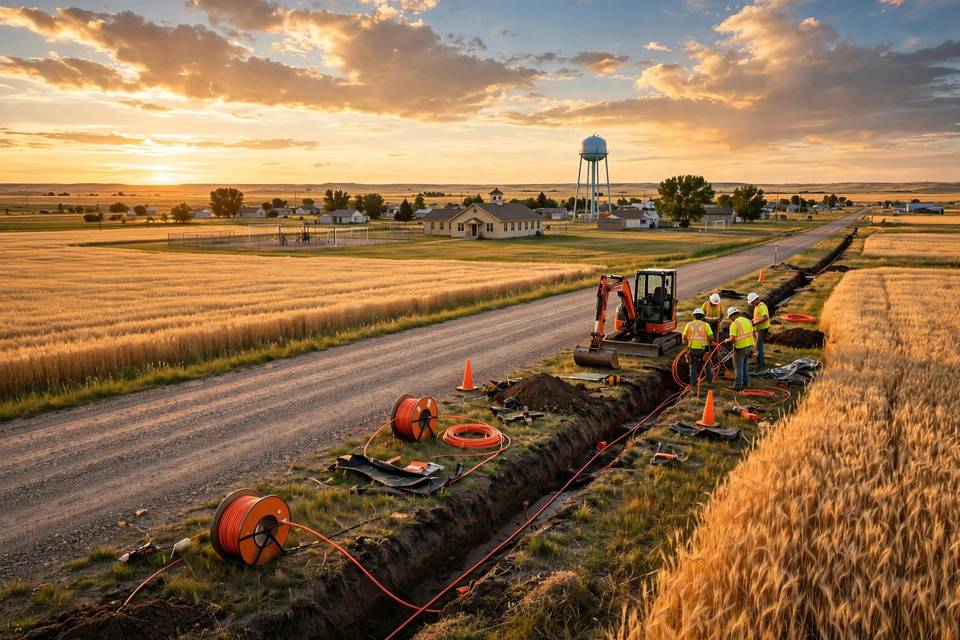
Image: AI-generated illustration.