
Key Takeaways
- Pirutsiagutiit — "resources for growing well" in Inuktut — launches April 1, 2027, replacing the interim Inuit Child First Initiative.
- Budget 2026 proposes $575 million over five years, starting in 2027–28.
- Each Inuit Treaty Organization will co-develop its own regional delivery approach with Canada.
A permanent program, designed by Inuit organizations
Inuit Tapiriit Kanatami (ITK) and the Government of Canada have released the Pirutsiagutiit National Framework — the foundation for a new Inuit-led federal program for Inuit children.
The announcement was made by ITK President Natan Obed and Indigenous Services Minister Mandy Gull-Masty in Ottawa on Wednesday.
Pirutsiagutiit — the name means "resources for growing well" in Inuktut — will launch on April 1, 2027, replacing the interim Inuit Child First Initiative.
So why does this program exist? To close gaps in existing services, so Inuit children can access the health, social and education products, services and supports they need when standard programs do not adequately meet those needs.
The money and the model
Budget 2026 proposes $575 million over five years, starting in 2027–28, to renew the Inuit Child First Initiative and support the transition to Pirutsiagutiit.
The framework was co-developed with ITK and the four Inuit Treaty Organizations: the Inuvialuit Regional Corporation, Nunavut Tunngavik Inc., Makivvik and the Nunatsiavut Government.
Under the model, each Treaty Organization will co-develop a regional approach to delivery with Canada. The organizations themselves will determine how supports are delivered to the children of their respective treaties and self-government agreements — an approach the framework describes as prioritizing Inuit self-determination and consistent with the Inuit Nunangat Policy.
Supports eligible under the interim initiative will remain eligible, and service coordination will emphasize navigation and case management so families can find existing programs without duplication.
The Twikup Take
The interim initiative was always a bridge; Pirutsiagutiit is the structure on the other side of it.
The design choice that matters is who decides: delivery shaped by the Treaty Organizations themselves, rather than a single federal template applied across four very different regions.
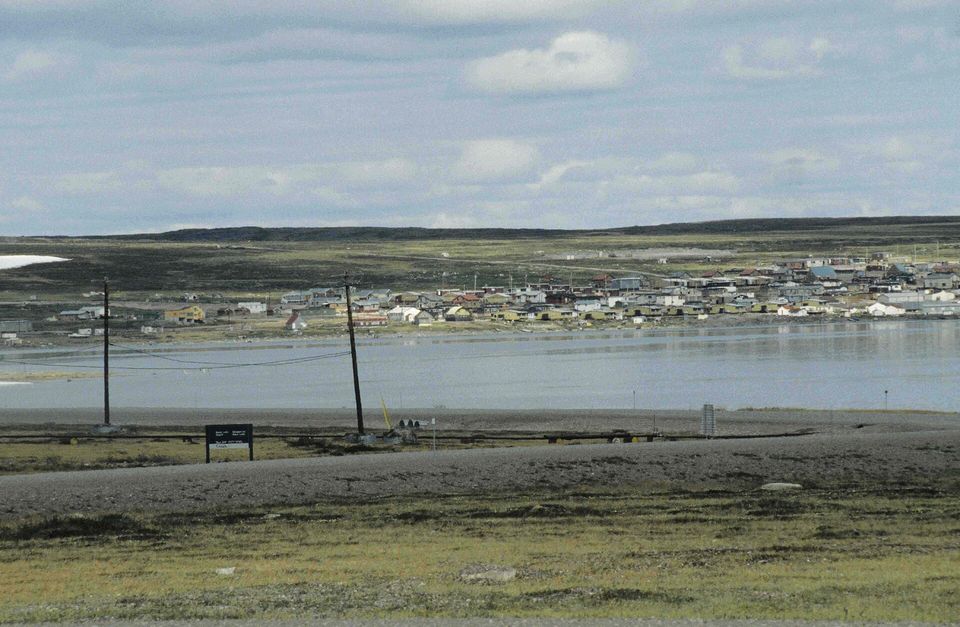
Image: The community of Baker Lake, Nunavut by Ansgar Walk, via Wikimedia Commons, CC BY-SA 2.5.