
Key Takeaways
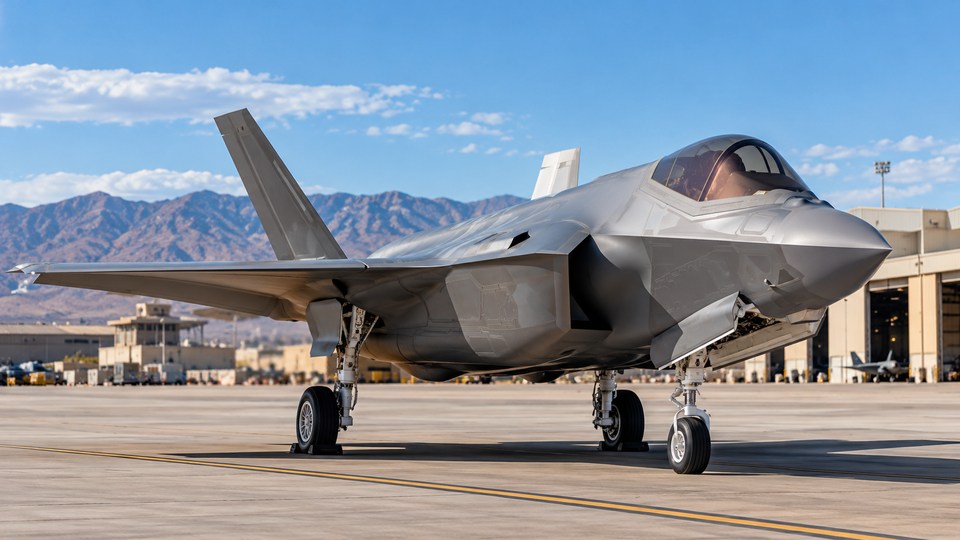
- Canada plans to acquire 88 F-35A fighter jets to replace its ageing CF-18 fleet.
- The first eight aircraft are intended for Canadian pilot training at Luke Air Force Base in Arizona.
- The first aircraft are expected to arrive in Canada in 2028, while the government continues reviewing the wider procurement decision.
Canada’s F-35 Programme Moves Towards Delivery
Canada’s next-generation fighter programme is approaching an important milestone, with initial F-35A aircraft scheduled to support Canadian pilot training in the United States. The project is intended to modernise the Royal Canadian Air Force as the country prepares to replace its ageing CF-18 fleet.
Why the F-35 Programme Matters
According to the Department of National Defence, Canada plans to acquire 88 F-35A Lightning II aircraft under its Future Fighter Capability Project. The government confirmed its selection of the aircraft in January 2023, describing the purchase as a major investment in the Royal Canadian Air Force.
The programme supports Canada's defence and sovereignty objectives, including its commitments to the North American Aerospace Defense Command (NORAD) and NATO. The planned acquisition includes associated equipment, training, support services and infrastructure.
Why the First Aircraft Will Go to Arizona
The government's published project schedule identifies Luke Air Force Base in Arizona as the initial location for eight aircraft. Canadian pilots will train there while Canada prepares the infrastructure needed to operate the jets domestically.
The first aircraft are expected to arrive in Canada in 2028, with Canadian Forces Base Cold Lake in Alberta identified as the initial destination. The programme also involves infrastructure development at Cold Lake and Bagotville, Quebec.
The government has outlined a project budget of approximately C$27.7 billion covering the aircraft and associated programme costs. However, a review of the F-35 procurement remains ongoing, meaning the broader decision has not been entirely settled.
TwikUp's Perspective
Receiving aircraft for training in the United States and operating a full fleet at home are different milestones. Canada must prepare facilities, train personnel and establish the support systems required to maintain the aircraft over decades.
The programme also has an industrial dimension. Canadian companies participate in the international F-35 supply chain, creating opportunities in manufacturing, maintenance and aerospace services.
For readers following Canada's defence spending, the key questions are whether delivery milestones remain on schedule, how the procurement review concludes and whether the necessary infrastructure is ready. Those developments will help determine how smoothly the country transitions from the CF-18 to its planned next-generation fighter fleet.