
Key Takeaways
- Mona Fortier will represent Foreign Affairs Minister Anita Anand at the OAS Meeting of Consultation on Nicaragua in Washington.
- The meeting will examine Nicaragua's recent constitutional reforms and possible regional actions under the OAS framework.
- Canada is the OAS's second-largest contributor and supports its security, electoral observation and human rights-related bodies.
Canada Sets Out Its Position
According to Global Affairs Canada, Ottawa views Nicaragua's latest constitutional changes as developments that further affect democratic institutions, political participation and human rights. Canada says Nicaraguans should be able to choose their leaders through free, fair and credible elections.
Global Affairs Canada also highlighted a September 1 first vote by Nicaragua's National Assembly on constitutional reforms. Ottawa says those reforms include provisions that could prevent individuals described as "traitors" or "coup plotters" from participating politically.
These statements represent the Canadian government's position on Nicaragua's political developments. The OAS meeting provides a multilateral setting for member states to examine the situation and discuss possible responses.
OAS Meeting Brings Regional Governments Together
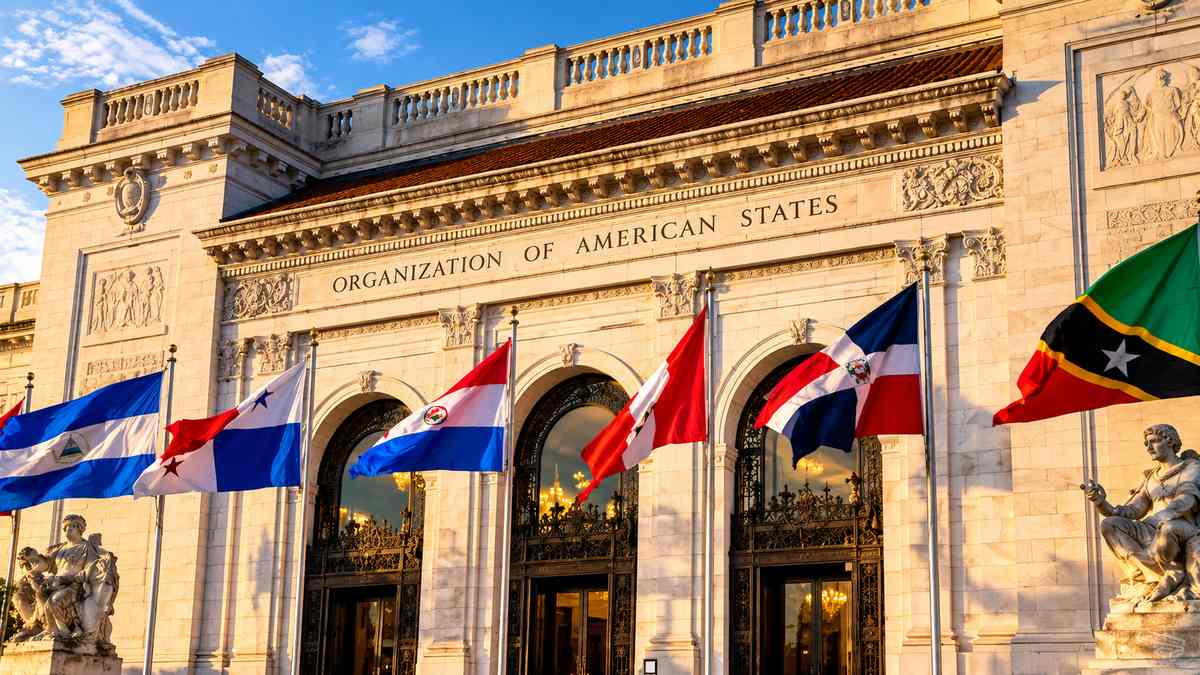
The OAS says its Meeting of Consultation of Ministers of Foreign Affairs is one of its principal political bodies for addressing urgent matters of common interest to American states.
The Thirty-First Meeting of Consultation was convened after the OAS Permanent Council determined that recent events in Nicaragua constituted an urgent matter of common interest. The October 2 meeting will consider the situation in Nicaragua and appropriate actions consistent with the OAS Charter, the Inter-American Democratic Charter and international law.
The meeting includes an opening session followed by a plenary session focused on Nicaragua. The OAS has also scheduled a closing session at its Washington headquarters.
Canada's Role Within the OAS
Global Affairs Canada says Canada is the second-largest contributor to the OAS. Ottawa also supports OAS security programming and electoral observation, along with specialized bodies including the Inter-American Commission on Human Rights and the Inter-American Commission of Women.
That role gives Canada an established channel for participating in regional diplomatic discussions involving democracy, elections, security and human rights.
Mona Fortier's participation means Canada will be represented at the parliamentary-secretary level rather than by Foreign Affairs Minister Anita Anand herself.
TwikUp's Perspective
The significance of the meeting will depend on what participating OAS governments ultimately decide or communicate following their discussions. At the time of Canada's announcement, the official Canadian source confirmed Fortier's participation and Ottawa's position, but did not announce a specific Canadian policy measure resulting from the meeting.
The OAS framework is also important because the meeting is designed for member states to examine an urgent regional issue collectively. Any resolution, declaration or other action would therefore need to be distinguished from individual national statements.
For readers following Canadian foreign policy, the meeting provides a useful indication of how Ottawa is engaging with regional institutions on Nicaragua while continuing to emphasize democratic participation and human rights.