
Key Takeaways
- Canada has sanctioned five Iranian individuals and five entities under the Special Economic Measures (Iran) Regulations.
- Global Affairs Canada says the targets are involved in digital repression and serious, systematic human-rights violations.
- The latest measures bring Canada’s listed Iranian individuals and entities under the cited sanctions frameworks to 237 individuals and 265 entities.
Who Has Been Sanctioned
The five individuals named by Canada are:
- Davoud Moazami Goudarzi, Head of Greater Tehran’s Cyber Police, known as FATA
- Eskandar Momeni, a senior commander of the Islamic Revolutionary Guard Corps and Minister of the Interior
- Rasoul Jalili, a member of Iran’s Supreme Council of Cyberspace
- Mohsen Fathizadeh, Head of the Protection and Intelligence Organization of Iran’s Law Enforcement Forces
- Ruhollah Momen Nasab, Head of the Headquarters for the Promotion of Virtue and Prevention of Vice and a member of the Supreme Council of Cyberspace
The five entities listed are:
- Iranian Audiovisual Media Regulatory Authority, also known as SATRA
- Working Group for Determining Instances of Criminal Content, or WGDICC
- Douran Group
- Yaftar Pazhohan Pishtaz Rayanesh Limited Company
- Seraj Cyberspace Organization
According to the Canadian government, the organizations include Iranian censorship, software, technology and cyberspace bodies.
Focus on Digital Repression
Global Affairs Canada said the latest measures focus partly on Iran's use of digital systems to control information and restrict fundamental freedoms.
The government says Iranian authorities have developed and used cyber infrastructure to monitor people who express dissenting views toward the regime.
Canada's backgrounder also says Iran has increasingly restricted internet connectivity and mobile services since 2009. According to the government, these restrictions have been used to control information, conceal human-rights violations and impede protesters' ability to organize.
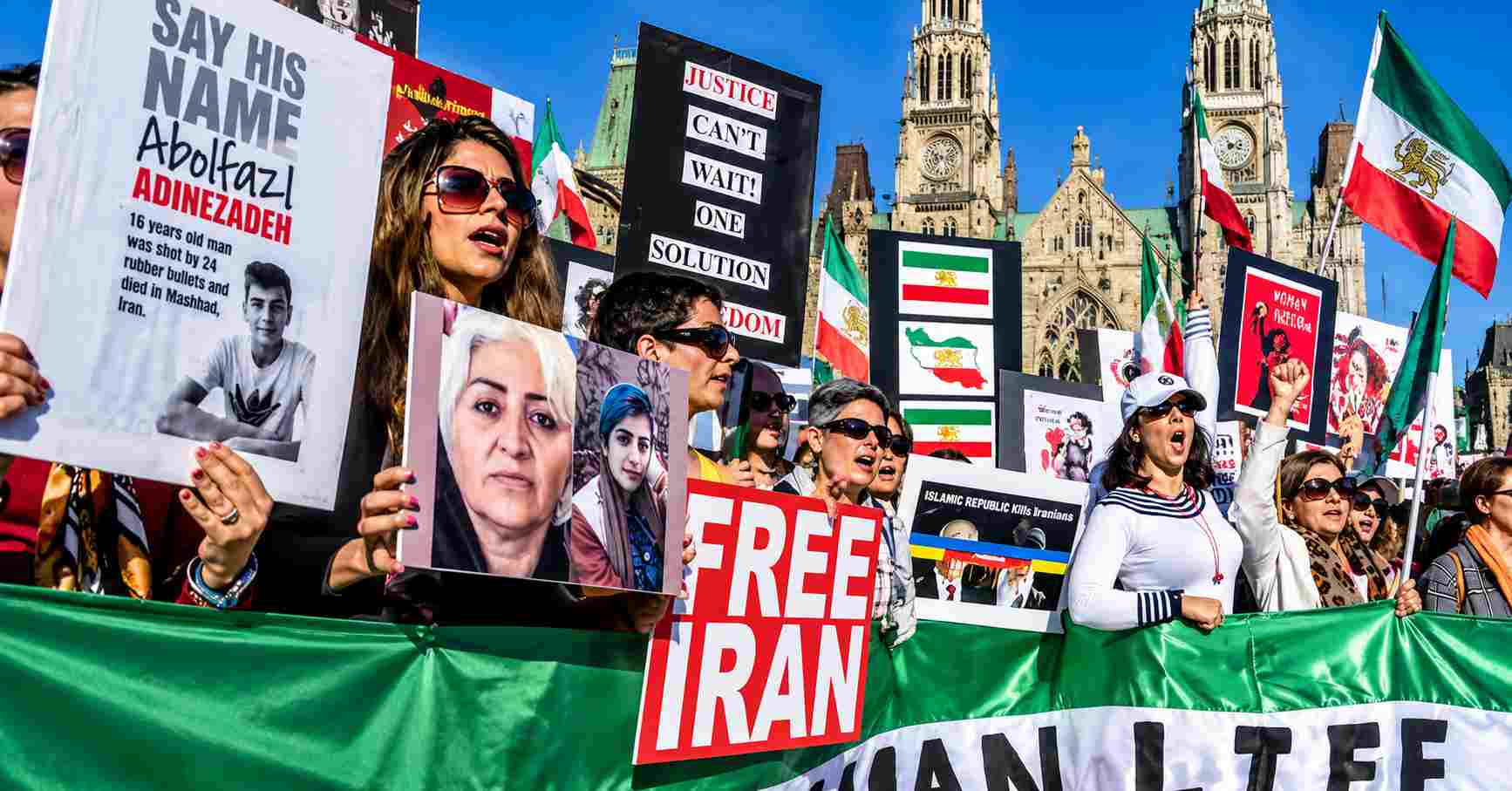
The government says such measures were used extensively during the Woman, Life, Freedom movement that began in September 2022 and during mass protests that began in December 2025.
What the Canadian Sanctions Target
The latest sanctions are intended to maintain pressure on Iranian officials and organizations that Canada says have contributed to restrictions on freedom of expression, peaceful assembly and association.
The government said the measures are also aligned with actions taken by international partners.
Canada has used its Special Economic Measures Act and other sanctions frameworks to impose measures against Iranian individuals and entities in response to human-rights violations and other activities.
Canada's Sanctions Record on Iran
Global Affairs Canada said that, with the September 23 announcement, Canada has imposed 24 rounds of sanctions since October 2022 against 237 Iranian individuals and 265 Iranian entities under the cited sanctions frameworks.
The measures have targeted people and organizations connected to Iran's security, government and economic apparatus.
Canada first expanded its Iran sanctions regulations in October 2022 in response to the repression of women and girls and the crackdown associated with the Woman, Life, Freedom protests.
The regulations were further expanded in March 2025 to allow Canada to designate current and former senior Iranian government officials beyond senior officials of the Islamic Revolutionary Guard Corps.
How Sanctions Affect Listed Persons and Entities
Canadian sanctions can impose restrictions on dealings involving listed individuals and entities.
Under Canada's sanctions framework, persons in Canada and Canadians outside Canada are generally prohibited from dealing in property held by or on behalf of designated persons and from providing property or financial services to them, subject to applicable legal exceptions.
The sanctions can also affect the ability of designated individuals to enter Canada under Canada's immigration legislation.
Announcement Comes During UN General Assembly
The September 23 announcement was made in New York during the 81st session of the United Nations General Assembly.
Global Affairs Canada said Canada has led the UN General Assembly resolution on human rights in Iran since 2003. The resolution is intended to draw international attention to reported human-rights violations in Iran.
The latest Canadian measures therefore form part of Canada's broader approach toward Iran, combining sanctions with diplomatic engagement and international coordination.
What the New Measures Mean
The latest sanctions expand Canada's list of Iranian individuals and entities subject to restrictive measures.
The government has specifically linked the new designations to digital repression and other serious and systematic human-rights violations.
The measures do not represent a new general sanctions regime against Iran. Instead, they add specific individuals and entities to Canada's existing framework for sanctions related to Iran.