
Key Takeaways
- Canada's IPPI rose 0.3% in October and 12.6% year over year, cooling sharply from September's 2.0% monthly jump
- Diesel (+1.7%) and plastic resins (+12.7%) led the increases; gasoline prices fell 1.2%
- The RMPI fell 1.0% as metal ore prices dropped 5.4%, led by a 9.8% fall in silver ores
September's surge is over. The fuel bill isn't.
Canada's factory-gate prices barely moved in October compared with the previous month's jump.
Statistics Canada reported Thursday that manufacturers' selling prices rose just 0.3% in October, a sharp slowdown from September's 2.0% increase.
But there's another side to the story: manufacturers' raw-material costs actually fell 1.0%.
The catch? Fuel prices are still dramatically higher than they were a year ago.
The Industrial Product Price Index (IPPI), which tracks prices manufacturers receive for their products, rose 12.6% year over year. That marked its 25th straight year-over-year increase.
Take energy out of the calculation, along with petroleum products, and the monthly increase shrinks to 0.1%.
Energy, chemicals and metals moved in different directions
Energy was the main driver of the October increase. Prices for energy and petroleum products rose 1.2%, with diesel fuel up 1.7% and light fuel oils up 2.5%. Finished motor gasoline partly offset that increase, falling 1.2%.
Statistics Canada said the conflict between the United States and Iran contributed to the higher energy prices.
Chemicals also rose sharply, increasing 2.1%. The main reason was plastic resin prices, which jumped 12.7% — their first increase since June.
A cooling monthly picture, but a very expensive year
While manufacturers received slightly higher prices than in the previous month, the prices they paid for raw materials fell — another sign that October brought some breathing room after September's surge.
The Raw Materials Price Index (RMPI), which measures what manufacturers pay for raw materials, dropped 1.0% in October.
The main reason was metals. Metal ores, concentrates and scrap fell 5.4%, with silver ores down 9.8% and gold ores down 3.8%.
Crude energy products, however, rose 2.5%, which partly offset the decline.
That's a welcome monthly reversal, but the bigger picture remains expensive: raw-material prices were still 23.5% higher than a year earlier.
Those increases explain why a modest monthly slowdown doesn't necessarily mean manufacturers are getting relief. The year-over-year picture is dominated by fuel, and light fuel oil is up 100.3% from a year earlier — a doubling in a single year. Diesel is up 93.3% over the same period.
The Twikup Take
October brought some breathing room for manufacturers buying raw materials, particularly metals. But the fuel numbers tell a much bigger story: a 100.3% annual increase in light fuel oil and a 93.3% jump in diesel are hard to ignore.
The monthly pressure is cooling, but the yearly fuel-price shock is still very much alive.
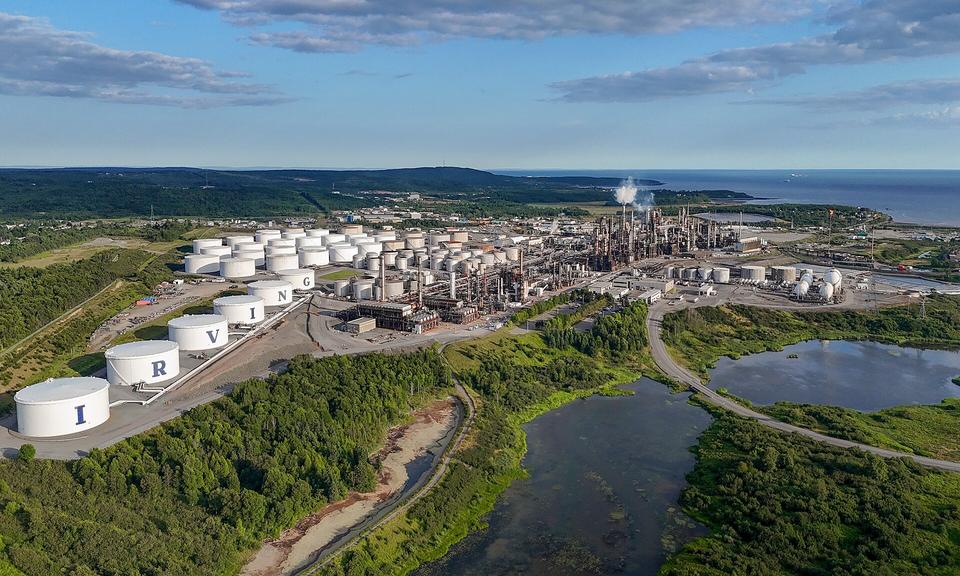
Image: Irving Oil Refinery, Saint John, New Brunswick, by Quintin Soloviev, CC BY 4.0, via Wikimedia Commons.