
Key Takeaways
- Federal officials are preparing new measures focused on home energy efficiency, lower costs and emissions reductions.
- The October 8 technical briefing was held on background and was not for attribution.
- A recent $66.3 million federal investment is already supporting home retrofit financing and energy-efficient housing projects.
Canada Prepares New Measures for More Energy-Efficient Homes
For Canadians watching household expenses, the federal government is putting home energy efficiency back in the spotlight. Senior officials from Environment and Climate Change Canada and Housing, Infrastructure and Communities Canada held a technical briefing on October 8 focused on measures intended to lower energy costs, reduce emissions and improve efficiency.
The government has not publicly released the full details of those measures through the briefing advisory, which was conducted on background and not for attribution. That means Canadians will need to wait for formal government announcements before judging the exact programs, eligibility rules or financial support involved.
Why Home Energy Costs Matter
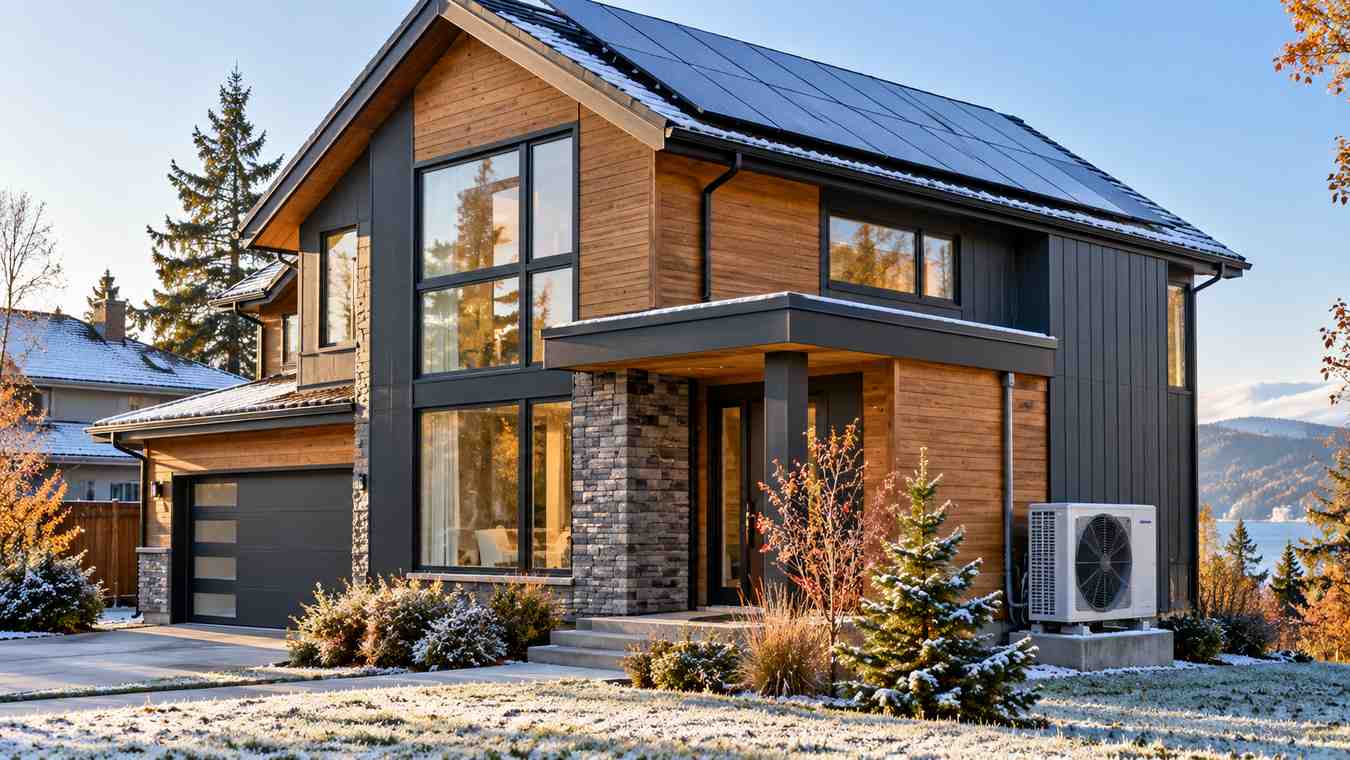
Improving a home's energy performance can reduce the amount of energy needed for heating and cooling while making homes more comfortable. Upgrades can include better insulation, air sealing, high-efficiency windows and heat pumps.
Ottawa has already been supporting projects designed to make such improvements easier to finance. On October 2, the federal government announced approximately $66.3 million for 162 projects through the Green Municipal Fund's Community Efficiency Financing and Sustainable Affordable Housing initiatives.
What Existing Funding Supports
The announced projects cover communities across Canada and include residential retrofit financing programs, feasibility studies, affordable housing upgrades and low-carbon housing initiatives.
Some projects will help homeowners access financing for upgrades, while others focus on improving energy performance in affordable housing. The government says these efforts are intended to reduce energy consumption, lower operating costs and cut greenhouse gas emissions.
What Canadians Should Watch Next
The bigger question is how the new measures will build on existing programs. Details such as who qualifies, what upgrades are covered and whether financial incentives will be available will determine how directly households can benefit.
TwikUp's Perspective
Energy efficiency policy works best when savings are practical, not merely promised. For homeowners, the real test will be whether new measures reduce the upfront cost of upgrades enough to make improvements financially realistic. Clear eligibility rules and accessible financing could matter as much as the headline policy itself.